
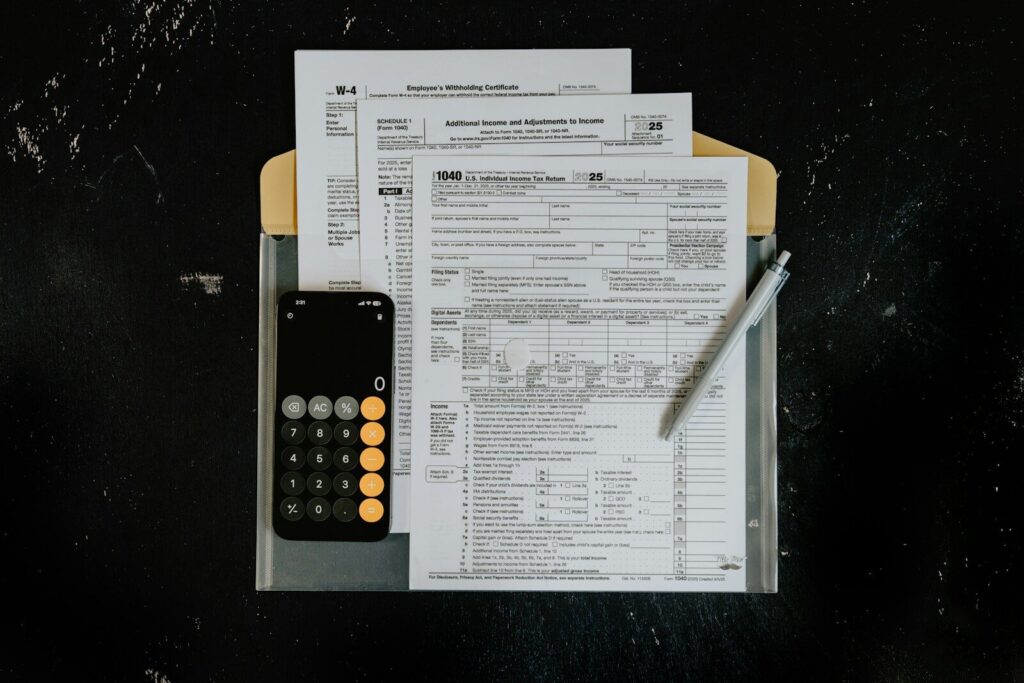
The IRS released the 2027 tax brackets on November 5, 2026. The new numbers affect every paycheck you earn next year. The standard deduction rises to $33,200 for married couples filing jointly and $16,600 for single filers. Every income threshold moved up too. More of your pay sits in a lower bracket before higher rates kick in. Here is what the new numbers mean for your withholding, your refund, and the decisions you make before December 31.
Why Your Paycheck Withholding Needs a Second Look for 2027
New brackets and a larger standard deduction don’t automatically update your paycheck. Your employer withholds based on the W-4 you filled out. That form might reflect an income level, a filing status, or a household that no longer matches your life.
Maybe you got a raise, picked up a side gig, or changed your filing status this year. It is worth running your numbers before your first 2027 paycheck arrives. Updating your W-4 withholding now, while the new brackets are fresh, beats discovering a withholding gap next April.
The New 2027 Tax Brackets
The IRS adjusts tax brackets, the standard deduction, and dozens of other figures every year to account for inflation. Without these adjustments, a cost-of-living raise could push you into a higher bracket without actually making you richer.
The IRS released the 2027 inflation adjustments on November 5, 2026, in Revenue Procedure 2026-35. These figures apply to income you earn in 2027 and the return you file in early 2028. They do not apply to the return you are filing this spring for 2026 income.
The seven federal tax rates stay the same for 2027: 10%, 12%, 22%, 24%, 32%, 35%, and 37%. The change is the income level at which each rate starts. For single filers, the 2027 brackets break down this way:
- 10%: income up to $12,800
- 12%: income over $12,800
- 22%: income over $52,025
- 24%: income over $109,125
- 32%: income over $208,325
- 35%: income over $264,550
- 37%: income over $661,375
Married couples filing jointly see roughly double those thresholds at every level except the top one. Their 22% bracket starts at $104,050, and their 37% bracket starts at $793,650.
The Standard Deduction Jumped Again
Most filers under 30 take the standard deduction rather than itemizing. This number matters more than the brackets themselves for most readers. The 2027 standard deduction rises to $16,600 for single filers, up $500 from 2026. Married couples filing jointly get $33,200, up $1,000.
A higher standard deduction shields more of your income from tax before any bracket even applies. Say you earn $45,000 as a single filer in 2027. You owe nothing in federal income tax on the first $16,600 before the brackets above apply.
The Child Tax Credit Edges Up Too
Parents also get a small bump. The maximum child tax credit rises to $2,300 per qualifying child for 2027, up $100 from 2026. The refundable portion rises to $1,800. That is the part you can still collect even if your tax bill drops below zero.
These adjustments trace back to the One Big Beautiful Bill Act. That law made the child tax credit permanent and tied it to inflation going forward. It also permanently extended several other individual tax provisions now built into each year’s IRS adjustments.
Getting a Raise Won’t Push You Backward
Many people worry that a raise could leave them with less take-home pay. They think a higher bracket eats the whole raise. That worry comes from a common misunderstanding of how brackets actually work.
Only the income above each threshold gets taxed at that threshold’s rate. The rest of your income is still taxed at the lower rates below it, just as before. The math behind entering a higher tax bracket works the same way under the 2027 numbers. It still never reduces your take-home pay.
Frequently Asked Questions About the 2027 Tax Brackets
When Do the 2027 Tax Brackets Take Effect?
The 2027 brackets apply to income you earn between January 1 and December 31, 2027. You will file a return using these numbers in early 2028, not during the 2027 filing season.
Will My Paycheck Change Because of the New Brackets?
Your paycheck changes only if your employer updates its 2027 withholding tables. It also changes if you submit a new W-4. The brackets themselves do not automatically adjust your take-home pay.
What Is the 2027 Standard Deduction?
The 2027 standard deduction is $16,600 for single filers and $33,200 for married couples filing jointly. Head of household filers get $24,925.
How Much Is the Child Tax Credit for 2027?
The maximum child tax credit for 2027 is $2,300 per qualifying child. Up to $1,800 of that amount is refundable.
What Is a Marginal Tax Rate?
Your marginal tax rate applies only to the portion of your income inside your top bracket. Every dollar below that threshold is still taxed at the lower rates that apply.
Do I Need to Do Anything Right Now?
Most people do not need to act immediately. Still, review your W-4 after a raise, a new job, or a change in household size. That habit helps you avoid a surprise bill in 2028.
Final Thoughts
New tax brackets arrive every year, and people rarely pay much attention to them until they affect their paycheck. The real takeaway from the 2027 adjustments is simple. The standard deduction grew, the brackets shifted up, and a raise still leaves you ahead. Pull up your last pay stub this week. Check whether your withholding still matches your current income and household situation.
Photo by Kelly Sikkema: Pexels
More For You
- Is Building an ADU Worth It? The Real Numbers on Cost, Rental Income, and Payback Time
- How to Build a Financial Plan in Your 20s Without Feeling Overwhelmed
- Best Vanguard funds
- Where should I store my short-term savings?
- Net worth is your most vital financial stat — Know yours?
- How to use a credit card responsibly
- 30 businesses to start with little money
- Buying a short sale: Is it worth it? (And does it really take six months?)