
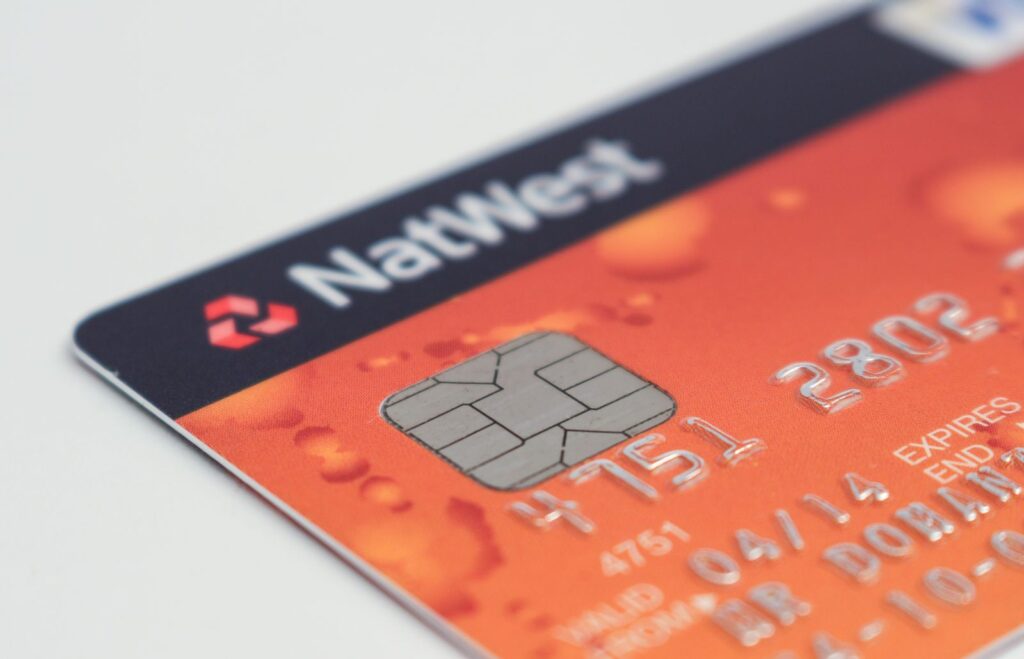
Your 20s are a key time to build financial habits that can shape your future. Whether you are starting your first job, renting an apartment, applying for a credit card, or planning major purchases, your credit score can significantly affect your financial opportunities. A good credit score can make it easier to qualify for loans, secure favorable interest rates, and demonstrate financial responsibility.
However, many young adults make avoidable credit score mistakes that damage their credit history before they fully understand how credit works. Recognizing these mistakes early can help you build a stronger financial foundation.
1. Missing Credit Card Payments
Payment history is one of the most important factors affecting your credit score. Missing a credit card payment or paying after the due date can hurt your credit profile, especially when a payment becomes 30 days overdue.
Young adults who manage multiple expenses may sometimes forget payment deadlines. Setting automatic payments or calendar reminders can help prevent this problem. Always try to pay at least the minimum amount by the due date, although paying the full balance is better.
2. Using Too Much Available Credit
Having a credit card does not mean you should use its entire limit. Credit utilization refers to the percentage of available credit you are currently using. High utilization can make lenders view you as a borrower who depends heavily on credit.
For example, if your credit limit is $2,000 and your balance reaches $1,800, your utilization rate is 90%. Keeping this percentage relatively low, ideally below 30%, can help maintain a healthier credit profile.
3. Applying for Too Many Credit Cards
Opening several credit card accounts within a short period can create unnecessary financial pressure. Each application may result in a hard inquiry, which can temporarily lower your credit score.
Although multiple credit accounts can sometimes benefit your credit history, applying for several cards just to access rewards or introductory offers isn’t always a smart move. Research your options carefully and apply only when you have a genuine financial need.
4. Closing Old Credit Card Accounts
Young adults sometimes close their first credit card after receiving a newer card with better rewards. However, closing an older account may reduce their total available credit and potentially affect their credit utilization.
Older accounts can also contribute to the length of your credit history. Before closing an account, consider its annual fees, benefits, and impact on your overall credit profile.
5. Ignoring Credit Reports
Checking your credit score is important, but reviewing your credit report is equally necessary. Your report contains information about payment history, outstanding balances, credit accounts, and other financial activities.
Errors such as incorrect balances, unfamiliar accounts, or wrongly reported late payments can damage your creditworthiness. Review your credit reports regularly and dispute any inaccurate information with the relevant credit bureau.
6. Carrying a Balance Instead of Paying It Off
Some young adults believe carrying a credit card balance from month to month helps improve their credit scores. This is a common misconception. You do not need to pay interest to build a positive credit history.
Carrying unpaid balances can increase debt and make monthly payments harder to manage. Interest charges can also make ordinary purchases significantly more expensive. Whenever possible, pay your statement balance in full and avoid unnecessary borrowing.
7. Treating Credit Cards as Extra Income
A credit card provides access to borrowed money, not additional income. Spending beyond your budget on shopping, entertainment, travel, or other lifestyle expenses can quickly create financial problems.
Young adults should develop an Optimized approach to financial planning by prioritizing essential expenses, building emergency savings, and making investment decisions based on available funds rather than borrowed money. Understanding the difference between spending power and actual income can prevent unnecessary debt and support long-term financial stability.
Build Healthy Credit Habits Early
Building a strong credit score does not happen overnight. It requires consistent financial decisions, responsible borrowing, and regular monitoring of your credit history. Young adults who avoid these common mistakes can establish a reliable financial foundation and improve their chances of accessing better financial opportunities in the future.
Your 20s are the ideal time to learn how credit works and develop habits that will benefit you for years. Small, responsible decisions made today can make a meaningful difference in your financial future.
Frequently Asked Questions
1. Why is building a good credit score important in your 20s?
Building a good credit score early can help you qualify for loans, secure lower interest rates, rent apartments, and access better financial opportunities in the future.
2. What is considered a good credit score for young adults?
Under the commonly used FICO scoring model, 670–739 is considered good. Lenders generally view scores above 740 more favorably.
3. How can I build credit if I have never owned a credit card?
You can start with a secured credit card, become an authorized user on a responsible family member’s account, or explore credit-building loans.
4. Does checking my credit score lower it?
No. Checking your own credit score is considered a soft inquiry and does not negatively affect your credit score.
5. How long does it take to improve a credit score?
It depends on your credit history and the issues affecting your score. Some improvements may appear within a few months, while recovering from serious negative marks can take considerably longer.
6. Should I pay my credit card balance in full every month?
Yes. Paying your statement balance in full by the due date helps you avoid interest charges and maintain responsible credit habits.
7. Can having multiple credit cards hurt my credit score?
Having multiple credit cards does not automatically damage your score. However, applying for several cards within a short period, missing payments, or maintaining high balances can negatively affect your credit profile.
Photo: Pexels
More For You
- Banking Features That Make Managing Money Easier
- 3 simple model portfolios for DIY index investors
- Should you pay off student loans early?
- Is DoorDash worth it? Here’s what you need to know
- When does it make sense to lease a car?
- How to Conduct OSHA Compliant Work Physicals
- How to find a financial mentor (and why you need one)
- 5 Driving Habits That Can Lead to Higher Car Insurance Premiums