
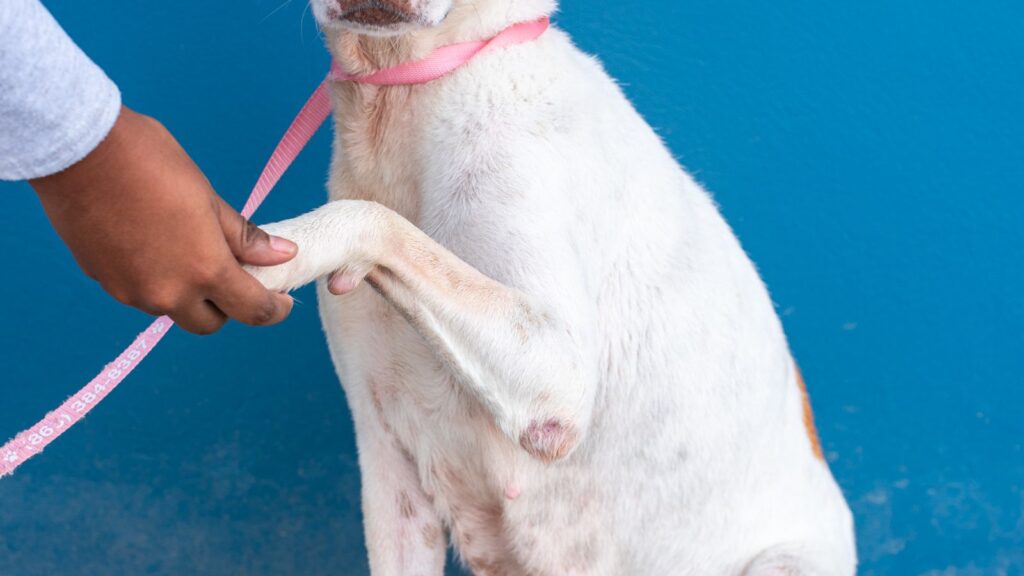
Adopting a dog often feels like a sign that life is coming together. You have your own place, a steady job, and enough room in your schedule for someone who’s always happy to see you. What most people don’t plan for is the full cost of adopting a dog. The adoption fee is usually the smallest number you’ll see all year, and the real cost shows up slowly, one receipt at a time.
That timing is the real problem. A dog’s first year is its most expensive, and it often lands when your income is still growing and your savings are still thin. If you know what’s coming, you can plan for it. If you don’t, a dog you love can turn into credit card debt you resent. Here’s what the first twelve months really cost, and how to build a budget that holds up.
Why Year One Costs More Than Any Other
The first year is front-loaded. You’re buying everything at once, paying for medical care a puppy or newly adopted dog needs only one time, and learning what your dog actually eats, chews, and breaks. According to the ASPCA’s estimate of pet care costs, a dog costs about $3,221 in its first year and about $1,391 a year after that. That’s more than double.
Those are averages, so your number could land well above or below them. Still, they show the pattern clearly. Year one is a setup cost, and you should budget for it the way you’d budget for moving into a new apartment.
The Upfront Costs: The First Week
The cost of adopting a dog starts before your dog has even seen its new home.
Adoption Fees
Shelter fees often run from about $50 to a few hundred dollars, and rescue groups tend to charge more. The fee usually covers some vaccines, a microchip, and sometimes spaying or neutering, which makes it one of the better deals you’ll find all year. Ask exactly what’s included, because it changes what you’ll owe your vet later.
Supplies
A crate, a bed, a leash, a collar, bowls, a few toys, grooming tools, and an ID tag add up fast. Most new owners spend a few hundred dollars here. Puppies make this worse. A growing dog can outgrow a collar and harness more than once, and it will chew through anything soft.
Renting With a Dog
This one surprises a lot of people in their 20s. Many landlords charge a one-time pet deposit, monthly pet rent or both. Pet rent is easy to overlook because it’s small each month, but over a year it can cost more than your supplies did. Read your lease before you adopt, not after.
Medical Costs in the First Twelve Months
Once your dog is home, the vet becomes your biggest early expense.
Vaccines and Checkups
Puppies need a series of vaccines spread across several visits during their first few months. An adult dog from a shelter may already be caught up, but it will still need a first exam with your own vet. Each visit carries an exam fee on top of whatever shots or tests are done.
Spay, Neuter and Microchip
If the shelter didn’t handle these, you’ll pay for them yourself. Prices vary a lot by region and clinic. Low-cost clinics run by shelters and nonprofits can cut the bill sharply, so call around before booking.
Monthly Prevention
Flea, tick, and heartworm medication is a quiet expense that never goes away. It’s usually billed in multi-month packs, so you’ll often pay for several months at once. Heartworm treatment costs far more than prevention, which makes this one of the easiest lines in your budget to justify.
The Recurring Monthly Costs
After the first few months, spending settles into a rhythm. It doesn’t shrink as much as you’d hope.
Food
Food is the steadiest cost you’ll have. Depending on your dog’s size and the brand you choose, expect something like $40 to $100 a month. Big dogs eat more. Dogs with sensitive stomachs may need pricier formulas. Buying larger bags usually lowers the cost per pound.
Care While You’re Away
Long workdays, weekend trips, and weddings across the country all cost money once you have a dog. Dog walkers, daycare, and boarding are some of the most underestimated pet expenses. A few nights of boarding can easily cost more than a month of food. If you travel often, make this its own budget line.
Training
A group class in the first year is money well spent, especially with a puppy or a dog with an unknown past. It’s far cheaper than replacing a couch or dealing with behavior problems later.
The Expense Nobody Puts in the Spreadsheet
Everything above can be planned for. Emergencies can’t. A swallowed sock, an injury at the dog park, or a sudden illness can lead to diagnostics, surgery, and an overnight stay. Bills like that can reach the thousands, and they rarely give you time to think.
Even routine costs vary widely. Rover’s 2026 cost of dog parenthood report puts the yearly cost of caring for a puppy anywhere from $1,460 to $6,745. That gap is mostly size, breed, and health, and it shows how quickly a “normal” year can stop being normal. For someone in their 20s with a small emergency fund, one bad week at the vet can wipe out months of saving.
How Pet Care Loans Can Cover the Gap
When a big vet bill arrives before your savings can cover it, financing is sometimes the most practical option. The goal is to choose the type of debt that costs you the least and is easiest to pay off.
A pet care loan is a personal loan used to pay for veterinary costs, and it works differently from putting the bill on a credit card. You borrow a set amount, get it as a lump sum and repay it in fixed monthly payments over a set term. Your payment doesn’t change from month to month, and you’ll know your payoff date before you sign. For borrowers with good credit, the rate may also be lower than a typical credit card APR. That can save real money on a balance that would otherwise take a long time to pay down.
A loan only helps if you use it carefully. Compare rates and fees from more than one lender, and check whether prequalifying uses a soft credit pull. Borrow only what the treatment costs. Before you accept, make sure the monthly payment fits your budget alongside rent, food, and your dog’s ongoing care. Used this way, a loan lets you say yes to treatment without draining your emergency fund or carrying a high-interest balance for years.
Budgeting for the Cost of Adopting a Dog in Year One
Financing is a backup plan. A good budget is still the main plan, and it starts before adoption day.
Map Out the Year
Split your estimate into three parts:
- One-time setup costs, including adoption, supplies, and any pet deposit
- Recurring monthly costs, including food, prevention, pet rent, and care while you’re away
- An emergency reserve kept separate from your personal emergency fund
Start Saving Early
If you can, put away a set amount every month for a few months before you adopt. You’ll learn whether the payment fits your life, and your dog will come home with money already waiting. Once your dog is home, keep the transfer going. Any month without surprises builds your cushion for one that has them.
Revisit After Six Months
By the middle of the year, you’ll know what your dog really costs. Adjust your budget to match. Some lines will shrink, and others will grow, and real numbers beat guesses every time.
Conclusion
Adopting a dog in your 20s is a real financial commitment, and the cost of adopting a dog is highest in the first year. The costs come in layers: setup, medical care, monthly basics, and the occasional emergency. None of them should come as a shock if you plan ahead. With an honest budget, savings set aside for the dog and a clear backup plan for large bills, you can give your dog good care without putting your own finances at risk.
Photo by Dominik Gryzbon via Pexels
More For You
- The New I Bond Rate Hits 5.51%: Is It Still Worth Buying This Year?
- How CSPM Tools Help Organizations Proactively Manage Cloud Security Risks
- How to make money online: 20 ideas for online income
- How credit card limits work
- A Guide to CLO Ratings Providers
- Should you invest in real estate crowdfunding?
- The 10 best jobs like Instacart
- How does Venmo work with credit cards?