
You file a complaint about a debt collector or a credit report error. You expect someone to read it. That assumes the Consumer Financial Protection Bureau, the CFPB, stays open. The CFPB shutdown fight has dragged through federal court for more than a year. A judge issued another ruling in September 2026. Here’s what changed and what it means for your next complaint.
Why the CFPB Shutdown Fight Keeps Resurfacing in 2026
The fight traces back to the CFPB’s leadership under the Trump administration. Acting Director Russell Vought argued the agency could skip its routine funding request. He said the Federal Reserve itself was not profitable. A federal judge disagreed. On March 13, 2026, Judge Edward Davila ruled that Vought’s decision violated federal law. He ordered the CFPB to keep requesting the funding it needs to operate. He set no end date on that order.
The CFPB appealed Davila’s ruling to the Ninth Circuit in May 2026. That appeal is still pending. Meanwhile, a separate case produced another setback for the agency. On September 28, 2026, a federal court in Oregon ruled against the current acting director, Mark Paoletta. The court ordered him to request the funding the CFPB needs from the Federal Reserve. State attorneys general, including Minnesota’s, had brought that case. Two different courts have now rejected the same funding maneuver.
What the CFPB Actually Does for You Right Now
The CFPB takes complaints about banks, lenders, and debt collectors. It then pushes those companies to respond. That system handled 6.6 million complaints in 2025. That’s more than double the 3.2 million complaints filed in 2024. Credit and consumer reporting complaints made up 88 percent of that total. That category has topped the list for five straight years.
Many of these complaints start with something ordinary. A missed refund, a denied dispute, a fee that should not have appeared. If you have ever had a problem with one of your credit cards, this agency is built to help.
The CFPB’s 2025 Consumer Response Annual Report shows the scale of that work. The Bureau forwarded more than 5.9 million complaints to over 4,000 companies. It sent 97 percent of those complaints within one business day. Companies responded on time to 99.6 percent. A shutdown would do more than delay paperwork. It would remove the one channel that gets most lenders to answer complaints.
What Happens if the Funding Fight Goes the Other Way
The Ninth Circuit appeal is still open, and the outcome is not guaranteed. If judges side with the administration’s funding theory, the CFPB could stop requesting Federal Reserve funding again. Running out of funds would force the Bureau to scale back its work. That would put millions of pending complaints at risk.
Debt collection, credit card, and mortgage complaints would lose their main federal outlet. State attorneys general say they rely on that complaint data. They use it to spot patterns of bad lending in their own states. Without federal funding, states would have to take on that oversight work. Not every state has the staff or budget to do so.
How to Protect Yourself While This Plays Out
You don’t have to wait for a court case to protect yourself. Start by disputing errors directly with the three credit bureaus, Equifax, Experian, and TransUnion. That path does not depend on the CFPB staying funded. Keep copies of every letter, email, and screenshot tied to a dispute. If a dispute drags on, your state attorney general’s consumer protection office can step in.
A cushion keeps one bad bill from spiraling into a bigger problem. Building an emergency fund gives you room to pay a surprise charge while you dispute it. That beats carrying a balance at a high interest rate. That cushion matters more right now, since the agency meant to back you up is busy fighting in court.
Finally, watch for updates on this case instead of assuming the CFPB will close for good. Bookmark the CFPB’s own newsroom page, since court rulings can shift within weeks. A Ninth Circuit reversal would change this timeline quickly.
Frequently Asked Questions About the CFPB Shutdown
Is the CFPB Shutting Down Right Now?
No. As of October 2026, courts have repeatedly ordered the CFPB to keep requesting funding. The agency remains open while an appeal plays out at the Ninth Circuit.
What Happens to My Complaint If the CFPB Loses Funding?
A funding loss could delay or stop new complaints from reaching companies. Complaints already filed would remain in the system, but the staff to process them could shrink.
Who Is Mark Paoletta?
He is the CFPB’s current acting director. A federal court in Oregon ordered him to request funding from the Federal Reserve on September 28, 2026.
Can I Still File a Complaint With the CFPB Today?
Yes. The complaint portal remains open, and the Bureau must still request funding from the Federal Reserve.
What Should I Do if the CFPB Cannot Help Me?
Contact your state attorney general’s consumer protection division or the Federal Trade Commission. Both accept complaints about lenders, debt collectors, and credit reporting errors.
Final Thoughts
It’s reasonable to feel unsettled watching an agency that handles millions of complaints. Right now, it’s tangled in lawsuits over its own funding. One thing hasn’t changed: you can still act on your own. Dispute errors directly with the credit bureaus. Keep a paper trail. Build a cushion so a billing mistake does not turn into a bigger financial problem. Courts will keep ruling on the CFPB’s funding. Your habits don’t have to wait for that outcome.
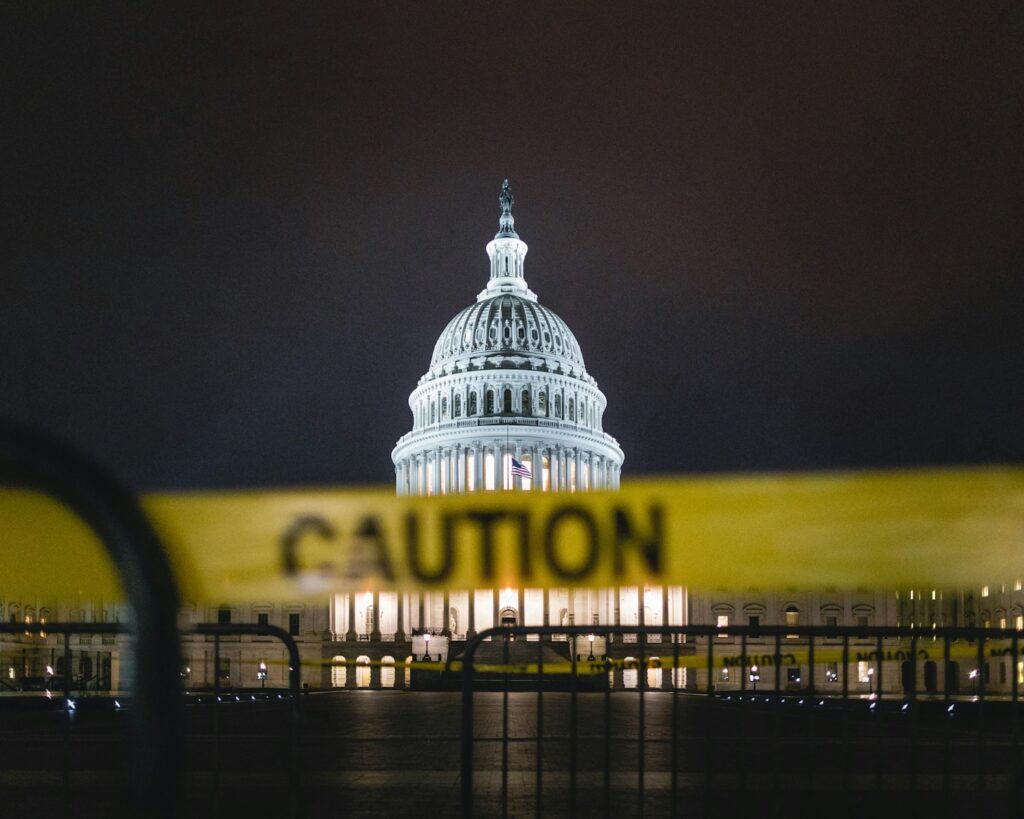
Photo by Andy Feliciotti: Unsplash
More For You
- Do My Parents Make Too Much Money For Me To Submit The FAFSA?
- How do student loans work?
- Side Hustle Income Hit $1,242 a Month in 2026, But Fewer People Have One
- 6 ½ steps to financial security
- How Much Should I Save Each Month?
- Gen Z Credit Scores Dropped to 676: Here’s What’s Actually Driving It
- Top 5 EdTech Development Firms for Custom Learning Platforms
- How to start investing with little money