
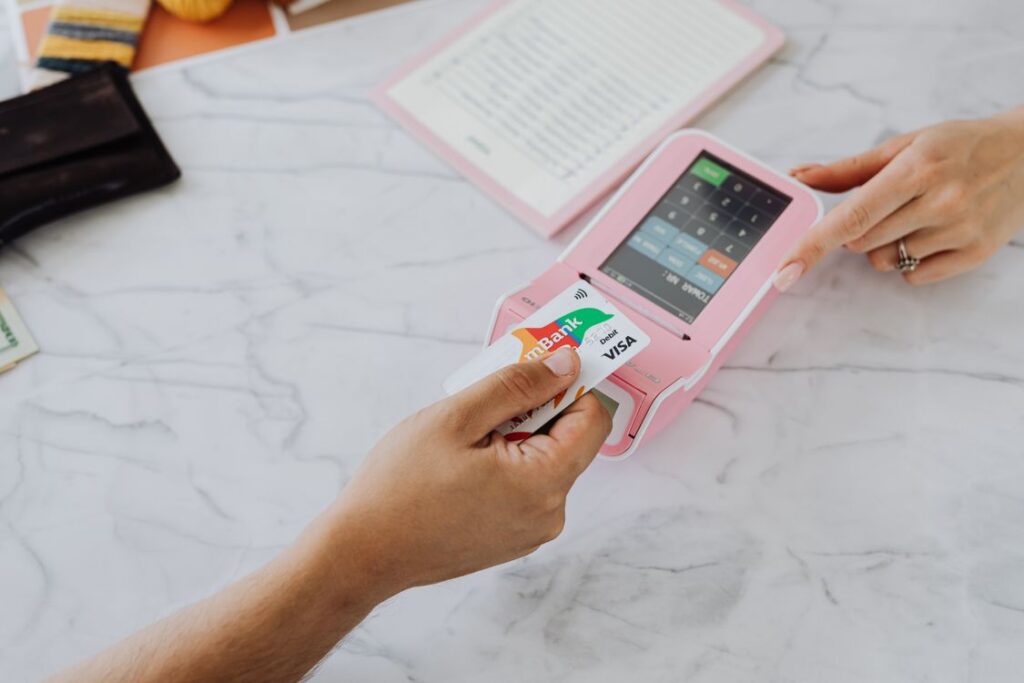
The click to cancel rule was supposed to make canceling a subscription take one click, same as signing up. A federal court struck it down in 2025, and the agency behind it isn’t bringing it back. That sounds like good news for every company that profits from a hard to cancel free trial. It isn’t, because several states already protect you. New York City added its own stricter rule too. Here is what actually applies the next time you try to cancel something.
What Happened to the Click to Cancel Rule
The Federal Trade Commission finalized the click to cancel rule in 2024. It required any business selling a subscription to make canceling as simple as signing up. A federal appeals court vacated the rule in July 2025. The court found the commission skipped a required cost analysis for a rule with over $100 million in impact. It never ruled on whether the rule itself was fair. The current commission has not appealed that ruling or tried to rewrite the rule.
A bipartisan bill in Congress, S.2253, would write similar cancellation rules into federal law, but its path forward is uncertain. Until that changes, no single nationwide rule guarantees a one-click cancellation button.
Track What You’re Still Paying For
The practical risk is not legal; it is forgetting what you signed up for in the first place. A free trial from eight months ago can keep charging a card long after you stopped using it. A money tracker app pulls every recurring charge into one place so nothing slips by unnoticed. Running that kind of check once a month catches a forgotten subscription before it adds up to real money.
New York City’s New Rule Goes Further Than Most
New York City’s own click to cancel rule took effect on October 1, 2026. The city’s Department of Consumer and Worker Protection enforces it. Any business must let a subscriber cancel the same way they signed up. A company cannot force someone who enrolled online to call or show up in person to quit. Violations start with a $525 civil penalty and go up from there. It is the first rule of its kind that a city, not a state or federal agency, wrote.
Which States Still Protect You Without It
California strengthened its automatic renewal law in 2025. Businesses there must let a customer cancel online if they signed up online. They must also send a yearly reminder for any ongoing subscription. New York State has its own version, and Massachusetts added similar rules through its consumer protection regulations. None of these three laws disappeared when the federal rule did. If you live in one of them, a company that makes cancellation difficult is breaking state law, not acting rude.
What to Do If a Company Won’t Let You Cancel
Start by canceling the same way you signed up. If you can, do it in writing and save a copy of your request. If a company keeps charging you anyway, contact your bank or card issuer and dispute the specific charge. Most issuers can block future charges from that merchant once a dispute is open. Filing a complaint with the FTC or your state attorney general adds a public record that can help later.
Frequently Asked Questions About Canceling a Subscription
Is the Click to Cancel Rule Completely Gone?
At the federal level, yes, for now. A court vacated it in 2025, and the agency that wrote it has not revived it. California, New York, and Massachusetts still enforce their own versions.
Does This Affect Gym Memberships and Streaming Services Too?
Yes. The rule and the state laws that replaced it cover any negative option subscription. That includes gyms, streaming, meal kits, and software. A business cannot limit protections to one industry.
What If I Live Outside California, New York, or Massachusetts?
Most states have general unfair or deceptive practices laws a company can still violate, even without a specific auto-renewal statute. The FTC can also act under Section 5 of its own act, even without the vacated rule.
Will Canceling Hurt My Credit Score?
No. Canceling a subscription doesn’t affect your credit report. The only credit risk comes from letting an unresolved charge go to collections.
What’s the Fastest Way to Find Forgotten Subscriptions?
Scroll through three months of bank and card statements and flag any recurring charge you don’t immediately recognize. A money tracker app automates that same search going forward.
Final Thoughts
A vacated federal rule does not mean subscriptions became impossible to escape. It means the protection now depends on where you live and how closely you watch your own statements. California, New York, and Massachusetts already require a straightforward exit. New York City raised that bar even further this month. The one habit worth building, regardless of location, is a monthly review of your bank statement. That is what actually catches a forgotten charge, not a regulation sitting in a courtroom somewhere.
Photo by Kaboompics: Pexels
More For You
- Automatic payments explained—everything you need to know about AutoPay
- Life without a Credit Score is Possible; But is it Wise?
- How to start budgeting
- How to choose a bank: 6 features to look for
- What to do when you get a surprise medical bill you can’t afford
- His Credit’s Good, Hers is Bad: Can You Get a Mortgage Anyway?
- Can i cash out my old 401(k) and take the money?
- Affordable Ways to Create a Lasting Memorial After Losing a Loved One