
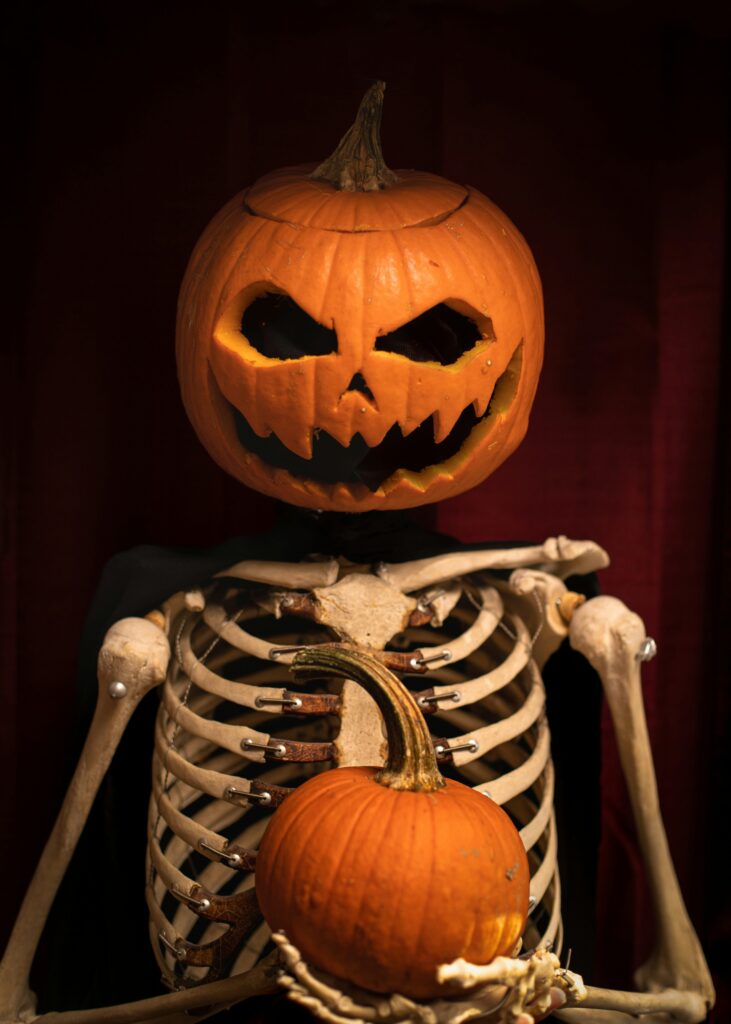
Halloween lands on a Saturday this year. The costumes, candy, and decorations add up faster than most people plan for. A new survey finds nearly 1 in 4 Halloween celebrators expect to carry Halloween spending debt into November. The share climbs even higher for Gen Z shoppers still building their first credit history. Here is what is driving the spike. One night of candy should not become a month of interest.
Why Halloween Spending Debt Is Climbing This Year
Nearly 1 in 4 Halloween celebrators, 24 percent, expect to go into debt to pay for the holiday this year. Most of that debt lands on a credit card or a buy now, pay later plan at checkout. Both let you walk out with a costume or party supplies without touching your bank balance that day. The bill still comes due later.
That finding comes from LendingTree’s 2026 Halloween spending survey, which polled 2,000 U.S. consumers. The same survey found celebrators plan to spend an average of $162 this year. That is down 16 percent from $192 last year, as shoppers pull back on extras while prices stay high.
Who Halloween Spending Debt Hits Hardest
Debt risk isn’t spread evenly across age groups. Gen Z celebrators, ages 18 to 29, are the most likely to expect debt this Halloween, at 43 percent. Millennials follow at 35 percent, then Gen X at 14 percent and baby boomers at 2 percent.
Parents of kids under 18 also report high debt expectations, at 40 percent. Gen Z shoppers alone plan to spend $102 on candy before costumes or decorations even enter the picture. Social media pushes 74 percent of them to spend more than planned.
What Carrying Halloween Spending Debt Into November Costs You
This pattern repeats for most people who fall into it. Over a third of celebrators, 35 percent, say they have gone into Halloween debt before. More than half of that group, 51 percent, regret how much they spent.
A $162 Halloween tab feels small in the moment. Left on a credit card for a couple of billing cycles, the interest adds up. That cost lands on candy and a costume that were never meant to last past November. The debt rarely shows up as one big bill. It shows up as a balance that quietly survives a payday or two.
How to Keep Halloween From Turning Into a Balance
Setting that limit works better on paper than in your head. A simple pass through Money Under 30’s free budget spreadsheet before you shop gives Halloween its own small category. That keeps candy and a costume a one-time expense. Otherwise, it can slide onto a card balance you pay down for months.
Frequently Asked Questions About Halloween Spending Debt
How Much Debt Do People Take On for Halloween?
LendingTree’s 2026 survey does not report a dollar figure for the debt itself. It only finds that 24 percent of celebrators expect to take some on. Average planned spending is $162 per celebrator this year.
Why Is Gen Z More Likely to Go Into Halloween Debt?
Gen Z reports the highest debt expectations of any generation, at 43 percent. Many are newer to credit and say social media pressure drives extra spending.
Is It Normal to Spend More on Halloween Than I Planned?
Yes. Over a third of celebrators have gone into Halloween debt before, and many say they regret it afterward. Setting a budget before you shop is the most common fix.
Does Buy Now, Pay Later Count as Halloween Debt?
Yes. A buy now, pay later plan still obligates you to pay later, even if nothing leaves your bank account today. Missed payments on these plans can also affect your credit.
Should I Skip Halloween Entirely to Avoid Debt?
No. The goal is not to skip the holiday. It is to decide your spending limit before you shop, not after. That way, a fun night does not turn into a bill you are still paying off at Thanksgiving.
Final Thoughts
Halloween spending debt is a small, specific version of a pattern that shows up around every holiday. A single night’s spending outlives the night itself. The number worth remembering is 43 percent. That is how many Gen Z celebrators already expect to carry some of this debt into November. The one move that actually helps is picking your Halloween spending limit before you shop. Set it before you walk into a store, not after you see the receipt.
Photo by ActionVance: Unsplash
More For You
- Should you buy a “Starter Home” or wait?
- How to find financial advisors who work with low-income clients
- Need help with your budget? Try a weekly budget
- 7 Best K-1 Visa Law Firms for Immigration Support
- Credit Card Balances Fell in August 2026, But Total Consumer Debt Hit a Record High
- Why an AI Email Marketing Assistant Is Becoming Essential for the Modern Marketing Team
- Climb the ladder to early retirement: Create a Roth IRA conversion ladder
- How much house can I afford?