
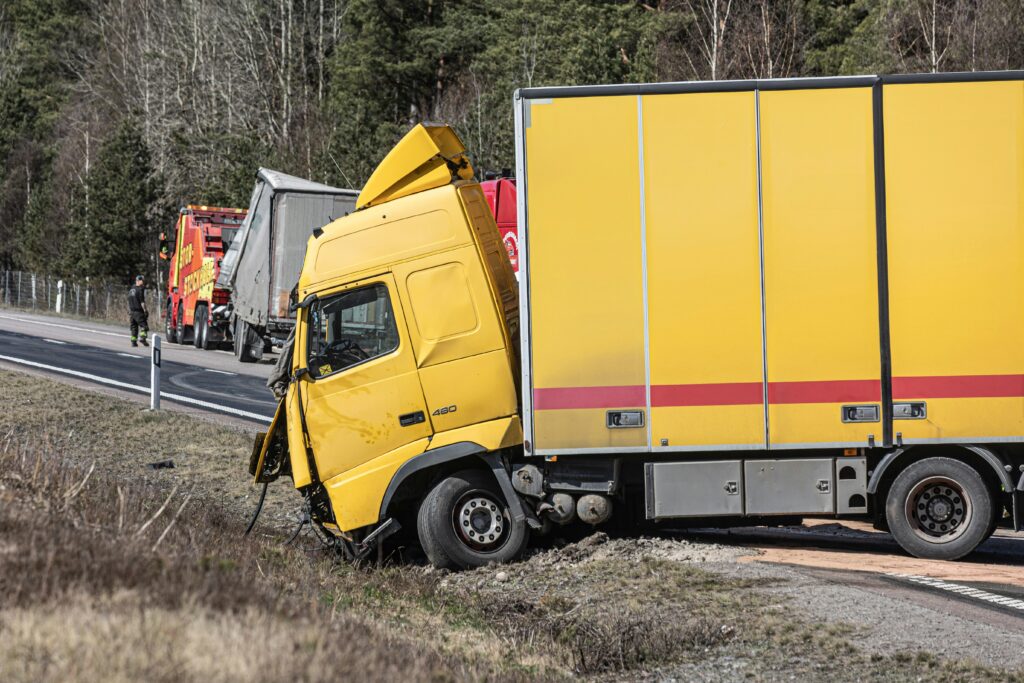
Truck accidents are some of the most serious collisions on the road. Because of their massive size and weight, commercial trucks can cause devastating injuries and property damage even at low speeds. When an accident happens, determining who’s legally responsible, or liable, isn’t always simple.
Unlike typical car crashes, truck accidents often involve multiple parties, layers of insurance coverage, and complex federal regulations. Understanding how liability is determined can help victims protect their rights and pursue fair compensation.
Why Truck Accident Liability Is Different
A collision between two passenger cars usually involves two drivers. But in a truck accident, several different entities may share responsibility: the driver, the trucking company, the cargo loader, the maintenance provider, or even the truck’s manufacturer.
Each has its own duties under the law. For example, federal trucking regulations set strict standards for vehicle maintenance, driver rest periods, and cargo weight. A single violation, like skipping an inspection or exceeding hours-of-service limits, can shift liability dramatically. That’s why determining fault in a truck crash requires a thorough investigation that goes well beyond the police report.
The Role of Negligence in Truck Accident Cases
Most truck accident claims hinge on the concept of negligence, meaning someone failed to exercise reasonable care under the circumstances. To establish negligence, a claimant must show four key elements: a duty of care existed, the party breached that duty, the breach caused harm, and there were measurable damages. The challenge in truck cases isn’t proving that someone was negligent; it’s identifying who was negligent and how their actions contributed to the crash.
Potentially Liable Parties
Several different parties can be held accountable, often simultaneously. Potentially liable parties could include the truck driver, the trucking company, the cargo loader or shipper, the maintenance contractor in charge, or even the truck or parts manufacturer. Because so many parties are involved, attorneys often work with accident reconstruction experts, engineers, and investigators to trace the chain of events.
Evidence That Determines Fault
Truck accident evidence is often more technical than that of a typical crash. Critical sources include:
- The truck’s “black box” data recorder stores speed, braking, and steering inputs before the collision.
- Driver logs and electronic logging device (ELD) records track hours worked and rest periods.
- Maintenance and inspection reports that reveal whether safety checks were skipped.
- Bills of lading and cargo manifests, which show how and when the truck was loaded.
- Dashcam or surveillance footage from nearby vehicles or businesses.
- Cell phone records, which can reveal distraction at the time of the crash.
An experienced truck accident attorney knows how to preserve this evidence before it’s lost or destroyed — a crucial step, since trucking companies are often quick to protect their interests.
Comparative Fault: When More Than One Party Shares Blame
In many cases, more than one party contributes to the accident. For example, a fatigued driver may lose control, but the company that scheduled unrealistic delivery hours could also share responsibility. Some states follow comparative fault laws, which allow damages to be divided according to each party’s percentage of fault.
This means that even if a victim is found partially responsible, they may still recover compensation, though the amount is reduced by their share of fault. Knowing how your state applies comparative negligence can make a major difference in your case’s outcome.
The Role of Federal and State Regulations
The trucking industry is heavily regulated by agencies like the Federal Motor Carrier Safety Administration (FMCSA) and the Department of Transportation (DOT). These rules cover everything from driver qualifications and logbooks to vehicle weight limits and equipment standards.
Violating these regulations can serve as strong evidence of negligence. For instance, if a driver exceeded their maximum hours behind the wheel or a company failed to conduct required drug tests, that violation can help establish liability. Lawyers who handle truck accident cases routinely analyze these regulations to find where compliance broke down and who was responsible for enforcing them.
Why You Should Seek Legal Help Quickly
Time is a critical factor in truck accident cases. Key evidence, like electronic logs or onboard data, can be overwritten or erased within days. Federal law requires trucking companies to retain certain records only for limited periods. By contacting an attorney early, victims can send preservation letters that legally compel companies to retain crucial documents and data. The sooner the investigation begins, the stronger the case tends to be.
The Bottom Line
Determining liability in a truck accident isn’t about pointing fingers; it’s about uncovering the full story. Every decision, from loading cargo to scheduling delivery routes, plays a role in what happens on the highway. By working with an experienced attorney who understands the trucking industry and its regulations, victims can ensure that those responsible are held accountable and that their recovery fully reflects the losses they’ve endured.
More For You
- Is your student loan debt ‘worth it’?
- How to get the best deal on a car with one simple email
- Are paid gaming apps legit? How to spot the scams
- How I got out of debt–and how you can, too
- Free monthly budget template for Google Sheets
- What credit score do you need to get approved for a credit card?
- What Happens If You Fall Behind On Car Payments (And What To Do About It)
- How does a HELOC work? Everything you need to know about Home Equity Lines of Credit
