
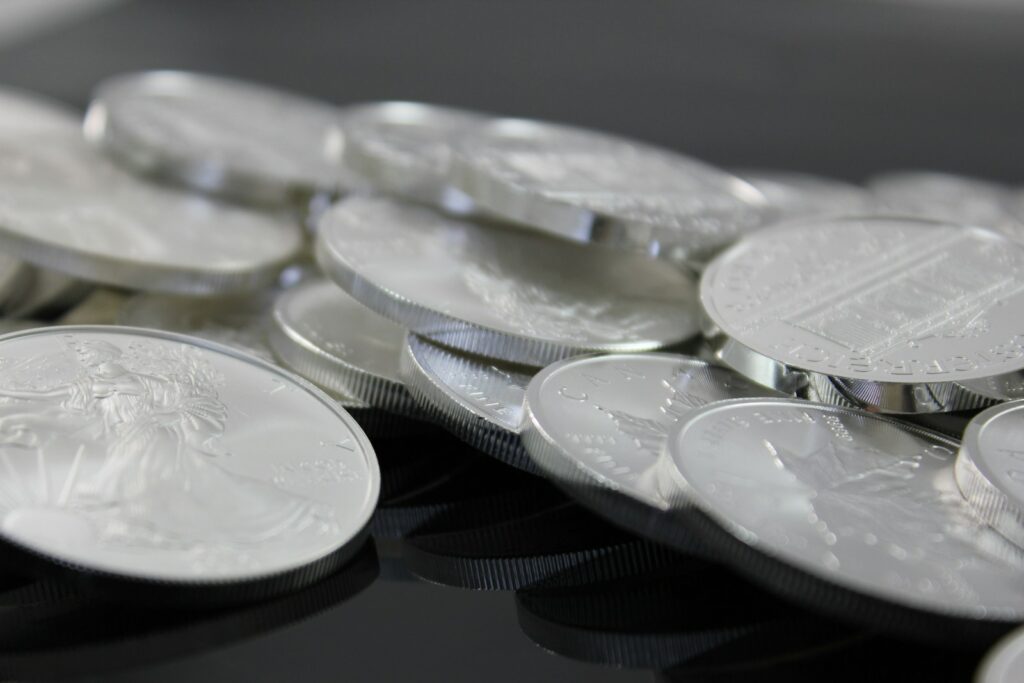
For young adults building their financial futures, investing often begins with stocks, retirement accounts, and savings plans. However, as inflation, government debt, and economic uncertainty continue to influence financial markets, more people in their 20s and 30s are looking at buying silver as an alternative way to diversify their wealth.
Unlike stocks or cryptocurrencies, physical silver is a tangible asset with thousands of years of monetary history. It also plays an important role in modern industries, including solar energy, electric vehicles, and electronics. For younger generations with decades ahead of them, buying silver could provide an opportunity to build a physical asset portfolio while gaining exposure to long-term precious metals demand.
One of the biggest advantages of silver is affordability. While purchasing a full ounce of gold can require thousands of dollars, silver offers a more accessible entry point. Popular products such as silver eagles, Canadian Silver Maple Leafs, and one-ounce silver bars allow beginners to start with relatively modest purchases. These recognizable bullion products also offer flexibility when it comes time to sell.
1. Silver May Help Protect Purchasing Power Against Inflation
Inflation gradually reduces the purchasing power of money. Over 30 or 40 years, even moderate inflation can significantly affect the value of savings held in cash. Physical silver has historically served as a monetary asset and may benefit during periods of currency weakness or rising inflation expectations. However, silver prices do not always rise alongside inflation, particularly over shorter periods. Younger buyers should view silver as a potential long-term diversification tool rather than a guaranteed inflation hedge.
2. Silver Offers Exposure to Growing Industrial Demand
Unlike gold, which is primarily associated with jewelry, investment, and central bank reserves, silver has substantial industrial applications. Silver’s exceptional electrical conductivity makes it valuable in solar panels, electric vehicles, electronics, and electrical infrastructure. As global electrification and renewable energy technologies expand, industrial demand could influence silver’s long-term market outlook.
For investors in their 20s and 30s, this creates exposure to both precious metals investment demand and industrial consumption, although technological changes and economic slowdowns can affect future demand.
3. Physical Silver Reduces Certain Counterparty Risks
One advantage of owning physical silver is that bullion held directly does not depend on a financial institution’s promise to repay its value. Unlike a bank deposit or brokerage investment, a silver coin in your possession is not someone else’s financial liability. This independence may appeal to younger adults concerned about banking disruptions, cyberattacks, or financial instability.
However, physical ownership introduces other responsibilities, including secure storage, insurance, theft prevention, and authentication.
4. Buying Silver Through Dollar-Cost Averaging
Young adults often have limited disposable income while managing student loans, housing expenses, and retirement contributions. Rather than buying silver in one large purchase, beginners can consider buying smaller quantities regularly.
For example, purchasing a few silver coins each month allows buyers to accumulate ounces across different market conditions. This approach, commonly called dollar-cost averaging, can reduce the pressure of trying to predict the perfect buying opportunity, although it does not eliminate investment risk.
5. Silver Can Diversify a Long-Term Portfolio
Traditional investment portfolios generally emphasize stocks, bonds, and cash. Physical silver introduces exposure to a different asset class.
Some investors consider precious metals allocations of approximately 5% to 10%, while more aggressive strategies may involve larger positions, including 20%.
However, allocating 20% to physical silver represents a substantial concentration in a volatile, non-income-producing asset.
Before buying silver, younger investors should evaluate their risk tolerance, emergency savings, retirement goals, and overall diversification to determine an appropriate allocation.
Silver can experience significant price declines and does not consistently offset stock market losses.
6. Silver Provides Flexibility When Selling
Physical silver is available in standardized sizes, including one-ounce coins, 10-ounce bars, and larger bullion products.
This flexibility allows owners to sell portions of their holdings without liquidating everything.
Widely recognized products may be easier to authenticate and resell through established bullion dealers.
However, anyone buying silver should understand the difference between the silver spot price, retail premiums, and dealer buyback prices. These transaction costs can affect overall returns.
7. Your 20s and 30s Offer a Longer Investment Horizon
One potential advantage younger investors possess is time.
With several decades before retirement, they may have greater flexibility to hold assets through periods of market volatility.
Silver prices can experience dramatic rallies followed by substantial corrections. A longer investment horizon may provide more opportunities to navigate these cycles, provided the investor does not need to sell during a downturn.
Physical silver can also encourage disciplined saving because selling bullion generally requires more effort than selling investments through a brokerage account.
Is Buying Silver Worth It for Young Adults?
For people in their 20s and 30s, physical silver may offer an affordable way to diversify assets, participate in industrial precious metals demand, and hold wealth outside the traditional financial system.
The key is maintaining realistic expectations. Silver does not generate dividends or interest; its price can fluctuate sharply, and ownership involves premiums and storage considerations.
Starting small, purchasing recognizable bullion products, and maintaining a diversified financial plan can help beginners approach buying silver responsibly.
For younger generations thinking about their financial future, the question is not simply whether silver prices will rise tomorrow, but whether physical precious metals have a useful place in their long-term wealth-building strategy.
Disclosure: This article is provided for educational purposes only and does not constitute financial or investment advice. Precious metals prices fluctuate, and past performance does not guarantee future results.
Photo By zlataky.cz: Unsplash
More For You
- When is an all-inclusive vacation cheaper?
- 7 Best K-1 Visa Law Firms for Immigration Support
- Roth IRAs for young adults: Why starting early pays off
- The Average Car Payment Hit $787 a Month in 2026: What Longer Loan Terms Are Costing You
- Yes, You Still Need to Know How to Fill Out a Check
- Credit card miles vs. airline miles: Which is better?
- What car should i buy? How to choose the best car for your budget
- What Makes a Great Enterprise CLM Platform?