
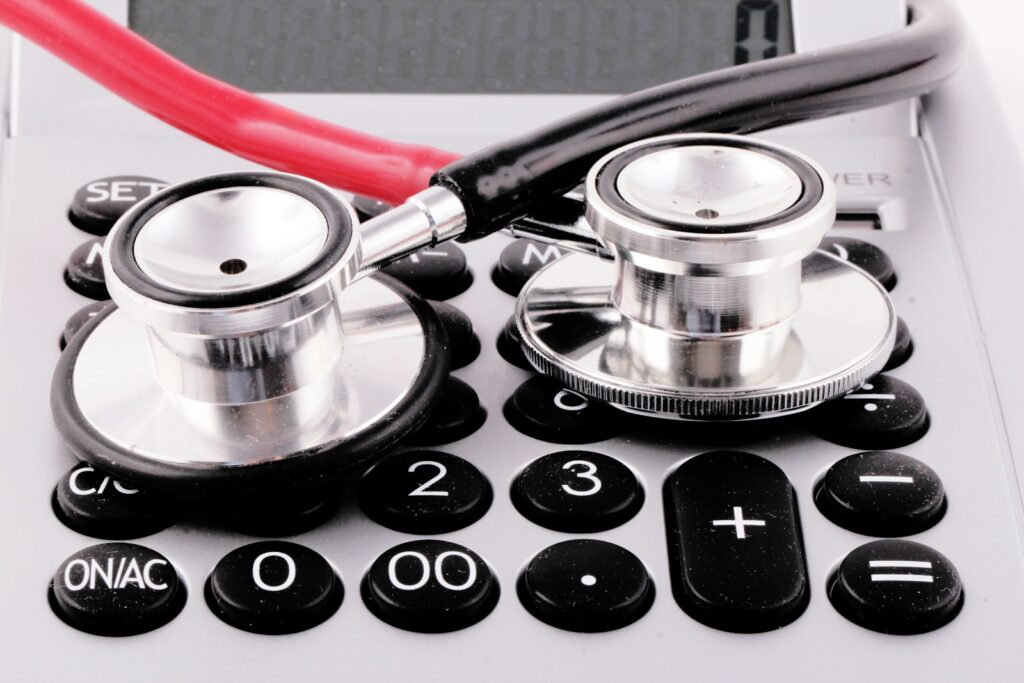
After suffering a serious injury or health crisis, your finances can take a huge hit. At first, it starts with medical bills, followed by lost income, ongoing treatment costs, and a drained savings account. Depending on the cost of your medical care, this can continue for years. That’s why it’s critical to protect your budget and make smart decisions while you recover.
Medical Costs Add Up Early And Fast
Medical bills have a way of piling up even when you have health insurance. Most insurance policies don’t cover everything, and one major health issue can create large out-of-pocket costs. For instance, in 2025, the average deductible was around $1,886. You have to pay your entire deductible before anything else will be covered. But even after paying your deductible, there’s no guarantee everything you need will be covered.
On top of that, you’ll have to cover copays, specialist visits, tests, prescriptions, and follow-up appointments. And if you experience any complications, you can expect to pay even more. In that case, if a medical error made your condition worse, it’s worth speaking to a lawyer to see if medical malpractice might be involved.
All of these factors can increase the cost of your recovery far beyond your original medical bills.
Taking Time Off Work Forces You To Lose Income
When you’re in recovery and you can’t work, your ability to earn income will be limited. This could go on for weeks or even months. In severe cases, it might be permanent. Taking unpaid leave will help you recover, but it also reduces your income. Even a brief absence from work can make it hard to pay your household bills, like your internet, phone, electricity, and garbage.
This financial pressure forces many people to return to work before they’re ready, and that can lead to healing setbacks and more time off. If you were working on getting a promotion or in the middle of training, a long absence can delay all of those plans. If someone in your household takes time off to care for you, they’ll also lose income.
Insurance Doesn’t Cover Everything
Having health insurance can get some things covered, but it’s not guaranteed. Even if you think you know what your plan does and doesn’t cover, you’ll need to brace for surprises. Things you thought were covered might not be, and certain services might be partially covered but so expensive that your portion is costly. If you need to see a doctor out of your network, you’ll be paying full price out of pocket.
Billing Errors Can Inflate Your Cost Of Care
Hospitals are known for inflating the cost of services through line item errors, duplicate billing, and erroneous charges. If you don’t go through all of your bills line-by-line to verify you actually received all the services listed, you could end up absorbing a much higher cost than you should.
Medical Debt Can Exist For Years Or Decades
If you have a huge medical debt, it can stick around for a while after you recover. While the average person has just a couple thousand dollars in medical debt, some people owe tens of thousands or even hundreds of thousands of dollars.
Paying off a large medical debt every month can interfere with your ability to pay for housing, food, utilities, and other necessary expenses. Some people need to rely on loans or credit cards to stay afloat, and interest rates can make that far more expensive over time. Medical debt can also cause your credit score to drop.
Ongoing Care Might End Up Being A Permanent Expense
Depending on your situation, your condition might require ongoing care indefinitely. This might include lifelong prescriptions, medical equipment, and in-home care. If your condition is long-term, long-term financial planning is essential.
Medical Expenses Can Push Your Retirement Plans Back
When your current expenses rise, your future goals can take a hit. If you start missing work, your retirement contributions will be smaller. If you need to use your savings to pay for household expenses, large purchases – like buying a home or traveling – can be delayed. If you’ve been trying to pay off other debt, like student loans, you’ll have to make a choice between which debt gets your money. That’s how a temporary health crisis can impact your finances years into the future.
You Need A Financial Recovery Plan
Nobody plans to become injured or ill, but one incident can cause financial hardship. That’s why it’s critical to prepare now. Creating a solid recovery plan now can limit the long-term damage and help you rebuild your financial life faster.
Photo by Marek Studzinski: Pexels
More For You
- Money market vs. savings accounts: Which should you use?
- Student loan consolidation and refinancing guide
- What Happens If Crypto Goes Negative? Here’s What You Need to Know
- Personal loans vs. credit cards: Which is better to finance a large purchase?
- How to take a mini-retirement – and why you should
- Dollar-cost averaging vs lump-sum investing: Which is better?
- How To Get Approved For Your First Mortgage
- 2027 ACA Open Enrollment Is Coming: Why Your Health Insurance Premium Already Jumped 58 Percent