
You check this month’s receipt, and the total feels off. You cannot tell exactly how much higher prices are than last year. The October CPI report confirms why. The Bureau of Labor Statistics could not publish its usual year-over-year inflation rate this month. A gap in last year’s data broke the comparison. Prices still moved, though. Gas, groceries, and used cars all shifted enough to change your budget this month.
What the October CPI Report Actually Found
The Consumer Price Index tracks price changes across a broad basket of goods and services every month. The Bureau of Labor Statistics released the October CPI report on November 10, 2026. All items rose 0.4% seasonally adjusted, after a 0.6% increase in September. Core prices, which strip out food and energy, rose 0.3% for a third straight month. That steady core number means underlying price pressure has not accelerated this month.
If you already track every swipe with a budgeting app, you will notice these shifts before the next report arrives. A tool that logs your spending automatically catches a rising grocery bill faster than a monthly news release does.
Why October’s Annual Inflation Rate Is Missing
Every CPI report normally includes a 12-month change, the number most headlines quote. This month’s release left that number blank for nearly every category. The Bureau of Labor Statistics explained the gap in its October 2026 Consumer Price Index release. It could not collect October 2025 prices because of that year’s lapse in federal appropriations. Without a full price count from a year ago, the agency has no baseline to compare against.
This gap changes how you should read the numbers below. A missing annual rate does not mean inflation stopped. It means the monthly changes below carry more weight than usual.
Which Prices Moved the Most in October
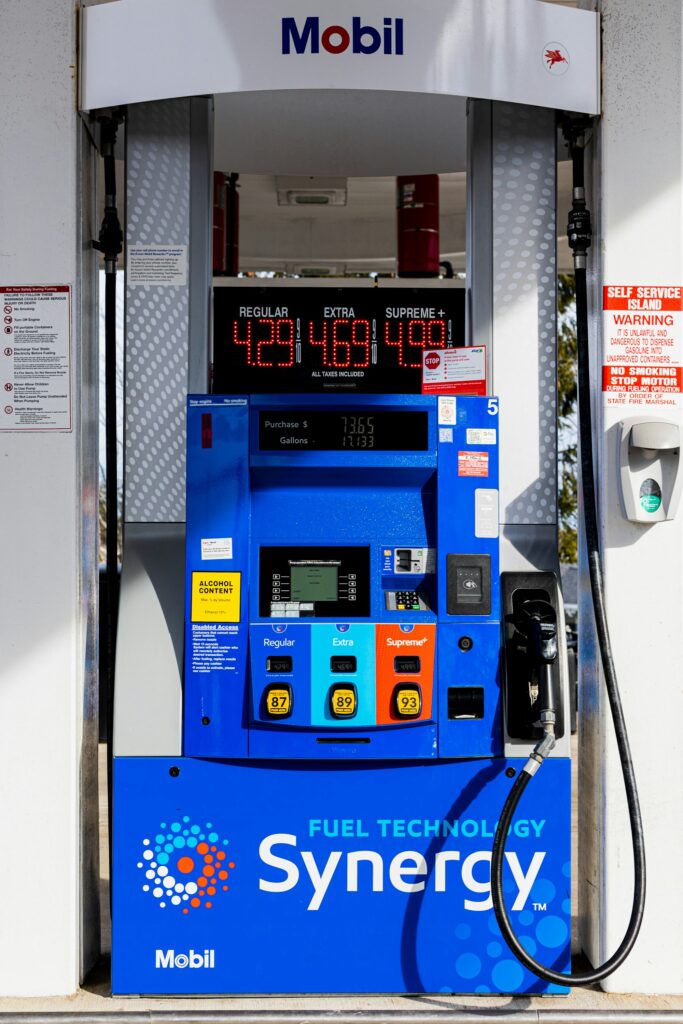
The October CPI report shows three categories drove most of the change. Energy costs rose 0.7% for the month, a slower pace than September’s sharp 5.2% jump. Gasoline specifically rose 1.0%, following a 9.1% spike the month before. Food prices rose 0.5%, the first real increase after holding flat in September. Grocery prices (food at home) rose 0.4%, while restaurant prices rose 0.5%.
Shelter costs rose 0.3%, slightly slower than September’s 0.4% gain. Rent itself rose 0.2%. Used cars and trucks fell 1.2%, the sharpest drop among major categories this month, reversing part of September’s 0.7% increase. Motor vehicle insurance rose 0.7%, and medical care costs rose 0.3%.
How to Budget When You Cannot Compare Years
The October CPI report broke the usual annual comparison. Track your own month-to-month spending instead of waiting on a yearly percentage. Pull your last two months of grocery and gas receipts and compare them directly. A 0.5% national grocery increase can look larger or smaller depending on what you actually buy each week.
Start with a simple spreadsheet that splits needs from wants. That way, a rising category doesn’t quietly eat into your savings. Update your gas and grocery line items first, since those categories moved the most this month. Small adjustments now beat a bigger correction once the annual comparison returns next year.
Frequently Asked Questions About the October CPI Report
What Is the Consumer Price Index?
The Consumer Price Index measures changes in prices for a broad basket of goods and services. The Bureau of Labor Statistics publishes a new reading every month.
Why Didn’t the October CPI Report Include a Yearly Inflation Rate?
The October CPI report left that number out. The Bureau of Labor Statistics could not collect October 2025 price data during that year’s government shutdown. Without that baseline, it cannot calculate a 12-month change for most categories this month.
Are Gas Prices Still Rising?
Yes, but more slowly. Gasoline rose 1.0% in October, compared with a 9.1% jump in September. The pace slowed even though prices kept climbing.
Why Did Used Car Prices Fall in October?
Used car and truck prices fell 1.2% in October, reversing part of September’s gain. Used vehicle prices often move with dealer lot supply and seasonal demand, not the broader inflation trend.
How Should I Adjust My Budget This Month?
Compare your own recent grocery and gas spending month to month instead of relying on an annual rate. Update those two categories first, since they moved the most in October.
Final Thoughts
The October CPI report’s missing annual number does not mean your budget gets a pass this month. Gas, groceries, and shelter costs all moved, even without last year’s data to compare against. Used car prices gave you a small break instead. Review your own spending from September to October. Adjust the categories that actually changed, and keep doing that every month until you can return to the usual year-over-year comparison.
Photo by Yassine Khalfalli: Unsplash
More For You
- Gen Z Financial Literacy Hit a Decade Low: Why It’s Showing Up in How They Invest
- Online business banks compared: Novo vs Lili, Bluevine, LendingClub & Northone
- The IRS Raised 2027 401(k) Contribution Limits to $25,500: What It Means for Your Savings
- Climb the ladder to early retirement: Create a Roth IRA conversion ladder
- How to build credit for the first time
- If You Don’t Pay Your Student Loans, The Government Will Garnish Your Wages: Here’s How To Avoid That
- Forget About Paper Checks: How To Set Up Direct Deposit For Your New Job
- A Guide to CLO Ratings Providers