
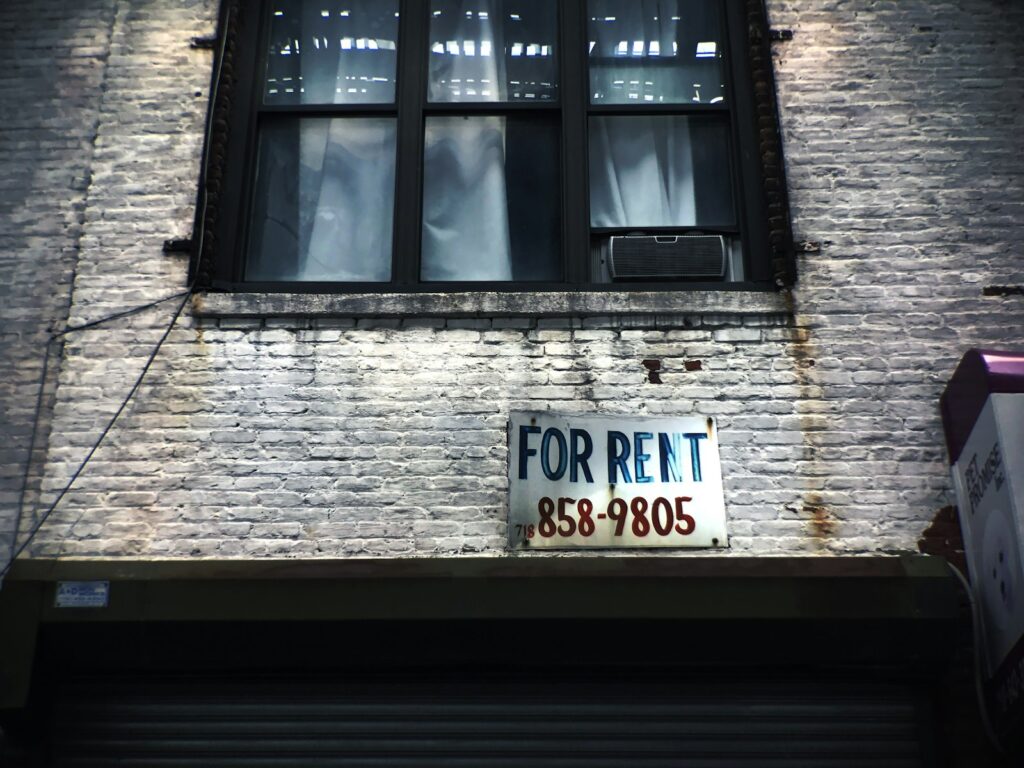
Rent prices did something they haven’t done in three years. The median asking rent rose 0.1 percent in October compared to last year. Apartment List’s latest national rent report confirmed the shift. That might sound like bad news if you’ve gotten used to falling rents. But it isn’t. Vacancies remain near record highs, and landlords still offer concessions to fill empty units. Here’s what the shift actually means for your lease.
Renting Is Still a Smart Move in 2026
A small uptick in rent prices does not change the basic math of renting versus owning. Mortgage rates are still well above 7 percent in most of the country. Buying also means a down payment, closing costs, and ongoing maintenance bills renters never see.
The idea that renting isn’t wasted money still holds up when you run the numbers. Investing the difference between a lower rent payment and a higher mortgage payment can leave you ahead over time. A rising rent is annoying, but it rarely beats the cost of buying at today’s rates.
Why Rent Prices Finally Turned Positive
Rent prices fell for three straight years after the pandemic-era boom. Builders added millions of apartments between 2021 and 2024, and all that new supply pushed rents down nationwide. Apartment List’s November 2026 report, which covers October data, shows the median rent at $1,384 a month. That figure is still 4 percent below the peak rents hit in mid-2022. The year-over-year increase is about $1 a month. That is barely a nudge. But it ends the longest rent decline on record.
The Renter’s Market Isn’t Over Yet
A small year-over-year gain does not flip the market in landlords’ favor. The national vacancy rate sits at 7.0 percent, down only slightly from a 7.3 percent peak in February. Nearly a third of rental properties, 32 percent, now offer a concession like a free month of rent. That share is up from 28 percent a year ago. Landlords are still competing hard for tenants in most of the country.
Units also sit on the market for an average of 36 days before renting. A landlord facing that much vacancy time has more reason to negotiate on price or terms. The extra time works in your favor if you are flexible about your move-in date.
Where Rent Is Rising and Falling
The national numbers hide a lot of local variation. Rents fell month over month in 45 of the 55 largest metro areas tracked. San Antonio posted the sharpest year-over-year drop, down about 3.8 percent. New supply keeps piling up in Sun Belt cities. San Francisco and San Jose moved in the opposite direction. San Francisco metro rents rose 13 percent. San Jose rents rose 9 percent. Tight supply and returning tech workers are driving both markets.
If your city is still rising fast, moving isn’t your only option. Comparing the cost of living before you move can show whether a cheaper metro actually saves you money. Taxes and commute costs often eat into the savings. Sometimes staying and negotiating beats packing up for a city with its own rising costs.
Know Your Rights Before You Renew
A vacancy rate above 7 percent means landlords need you more than you need any single unit. Ask for a concession before you ask for a lower base rent. A free month costs the landlord less than a permanent rent cut. That makes it the easier ask.
Know your rights before you negotiate anything. Most states require landlords to give written notice before raising rent or ending a lease. Those rules vary by state and city. A guide to renters’ rights explains what your landlord can and cannot do. That knowledge changes how a negotiation actually goes.
Frequently Asked Questions About Rent Prices
Are Rent Prices Going Up or Down in 2026?
Rent prices are close to flat. The median rent rose only 0.1 percent year over year in October. That is the first increase in three years. Rents are still falling slightly month over month.
Is It a Good Time to Negotiate My Rent?
Yes. Vacancy rates are still near record highs in most metro areas. Landlords would rather offer a concession than lose a paying tenant.
Why Are Rents Rising in Some Cities but Falling in Others?
Local supply drives the difference. Cities like San Antonio built far more apartments than renters needed, which pushed rents down. Cities like San Francisco and San Jose have tighter supply, so rents there are climbing again.
Should I Sign a Longer Lease to Lock in a Lower Rate?
It depends on your market. A longer lease can lock in today’s rate before rents climb further. In a market with heavy concessions, a shorter lease keeps your options open if prices keep slipping.
Final Thoughts
Rent prices turning positive after three years of declines sounds like a turning point. But the numbers do not support panic. Vacancies remain elevated. Concessions are more common than a year ago. Most big cities still saw rents fall last month. The one thing worth doing now is checking your own renewal terms against these numbers before you sign anything. This mixed market rewards renters who ask questions instead of assuming the worst.
Photo by Jose Alonso: Unsplash
More For You
- 7+ DoorDash hacks that will save you money
- Total Student Loan Debt Hits $1.86 Trillion: What It Means for You in 2026
- Best personal finance books
- How much should you spend on a car?
- Gains and losses: what will be taxed and what can I claim?
- How to get your free credit reports and scores
- Why personal finance matters
- Robo-advisors vs. financial advisors: What’s better for you?