


The best credit cards for international travel do not charge fees for purchases made in foreign currency, are widely-accepted abroad, and feature enhanced customer service and security features to keep your card safe and active, wherever in the world you roam. We’ve reported on international travel credit cards for 15+ years to bring you our recommendations.
Only a few choice cards make our short list, and it’s hard to pick an overall winner in this category. After much debate, we recommend the Capital One Venture X Rewards Credit Card as the best credit card for international travel. Other cards in the Venture family and the ever-popular Chase Sapphire Preferred® Card and Chase Sapphire Reserve® cards are nearly as good, however, so read on for all the details.
Overview: Best credit card for international travel
- Best credit card for international travel: Capital One Venture X Rewards Credit Card
- Also great for international travel: Chase Sapphire Reserve®
- Best no-annual fee credit card for international travel: Capital One VentureOne Rewards Credit Card
Capital One Venture X Rewards Credit Card
The newest contender on our list, the Capital One Venture X Rewards Credit Card beats out our longstanding top pick, Chase Sapphire Reserve® (still our #2) because we feel the Venture X card offers unparalleled value for international travelers wanting a premium travel credit card.
Capital One Venture X Rewards Credit Card

Information about the Capital One Venture X Rewards Credit Card has been collected independently by Money Under 30. Please confirm terms on the card issuer's website. Offer details verified on Apr. 28, 2024.
Welcome Offer
Earn 75,000 bonus miles once you spend $4,000 on purchases within the first 3 months from account opening.
Rewards
Earn 10 Miles per dollar on hotels and rental cars booked through Capital One Travel; 5 Miles per dollar on flights booked through Capital One Travel; unlimited 2 Miles per dollar on all other purchases.
Annual Fee
$395 annual fee.
Our Thoughts
A premium travel credit card option that's a step up from the Venture Rewards. For those fine with Capital One Travel, the airport lounge access, annual credit, anniversary bonus miles and travel-friendly perks can make this card worth the high annual fee. Just be sure to maximize all it has to offer.
The Capital One Venture X Rewards Credit Card checks all our boxes for a great credit card for international travel: No foreign transaction fees, global acceptance, international customer service and industry-leading travel rewards.
The Venture X Rewards Credit Card is a premium travel credit card that carries a $395 annual fee. But generous benefits like up to $300 back annually on travel bookings through Capital One quickly make this card a great value. And, the thing is, the Venture X annual fee is actually a good deal lower than annual fees with many competing cards.
New card-members will enjoy an amazing welcome bonus: earn 75,000 bonus miles once you spend $4,000 on purchases within the first 3 months from account opening.
Rewards are also solid. Earn 10x miles on hotels and rental cars booked through Capital One Travel; 5x miles on flights booked with Capital One Travel; 2x miles on all other spending. The “catch”, if you want to call it that, is that you must book your hotels and flights through Capital One’s travel site to earn the unprecedented rewards rates. If you prefer to always book travel directly with your airline and hotel, that might be a deal-breaker. Capital One Travel works just like Expedia or Kayak and all the other travel booking sites; you’ll see a list of options where you can book the best deal for you.
Each year, the Venture X Rewards Card also “reimburses” you up to $300 for travel purchases booked through Capital One Travel. These reimbursements appear as statement credits.
You’ll also enjoy a credit up to $100 to use toward your TSA Precheck or Global Entry application fee and a 10,000-mile anniversary bonus. The card’s high annual fee isn’t nothing, but it is less than other premium cards, making the Venture X Rewards Card a solid choice.
If you’re looking for a lower-fee or fee-free travel card, two other Capital One Venture Card variants are both excellent choices for international travel. Consider the Capital One Venture Rewards Credit Card and the Capital One VentureOne Rewards Credit Card as lower-fee alternatives. To learn more, compare the Capital One Venture X and Venture Rewards cards.
» MORE: Read our full Capital One Venture X Rewards Credit Card review
Chase Sapphire Reserve®
Over the years, the Chase Sapphire Reserve® has earned adoration among world travelers and credit card nerds alike for its premium benefits. But those jet-setting perks come with a sky-high annual fee, and that requires a close look at whether the price of admission is worth it based upon your spending and travel habits.
Chase Sapphire Reserve®

Information about the Chase Sapphire Reserve® has been collected independently by Money Under 30. Please confirm terms on the card issuer's website. Offer details verified on Aug. 17, 2024.
Welcome Offer
Earn 60,000 bonus points after you spend $4,000 on purchases in the first 3 months from account opening. That's $900 toward travel when you redeem through Chase Travel℠.
Rewards
Earn 10x total points on hotels and car rentals when you purchase travel through Chase Travel℠; 5x total points on flights through Chase Travel℠; 3X points on other travel and dining; 1 point per $1 spent on all other purchases. Rewards on travel after the $300 is spent on travel purchases annually.
Annual Fee
$550 annual fee.
Our Thoughts
Flexible rewards and premium travel perks, like airport lounge access and powerful travel protections, make this a top option for travelers who will maximize the benefits. Occasional travelers may want to consider a less premium alternative given the high annual fee.
The Chase Sapphire Reserve® offers a welcome bonus: Earn 60,000 bonus points after you spend $4,000 on purchases in the first 3 months from account opening. That's $900 toward travel when you redeem through Chase Travel℠.
With the Chase Sapphire Reserve®, you’ll earn 10x points hotel and car rental bookings through Chase Travel℠; 5x points on flights booked through Chase Travel℠; 3x points on other travel worldwide; 3x points on dining (including eligible delivery services); and 1x points on all other purchases.
The Chase Sapphire Reserve® checks several boxes when it comes to being a best credit card for international travel. For one, it does not charge foreign transaction fees (like many other cards on this list), but it also offers plenty of other travel perks, too. The Chase Sapphire Reserve® does carry a $550 annual fee — something you’ll definitely have to weigh when considering the benefits. The Chase Sapphire Preferred® Card is a related Chase offering with a lower annual fee; you can read about the differences between the Chase Sapphire Preferred® Card and Chase Sapphire Reserve® to see which is right for you.
Most notably, it provides valuable travel insurance that can come in handy should things go awry while you’re abroad. When you charge your trip to the Chase Sapphire Reserve® you get:
- Auto rental collision damage waiver — Covers up to $75,000 in theft or damage to rental vehicles in the U.S. and abroad.
- Trip cancellation/interruption insurance — Provides up to $10,000 reimbursement per person ($20,000 per trip) if your trip is canceled or cut short due to weather, illness, or other covered reasons.
- Lost luggage reimbursement — Receive up to $3,000 per passenger for lost or damaged luggage.
- Trip delay reimbursement — Offers up to $500 per person towards unreimbursed travel expenses caused by delays of six hours or requiring an overnight stay.
- Emergency evacuation & transportation coverage — Covers up to $100,000 in medical services and transportation in case you or a family member become ill while traveling away from home.
- Airport lounge access — Priority pass select membership is included with your card membership, giving you access to certain airport lounges around the world.
With all that insurance included, you can skip out on buying separate travel insurance and save that money for other (more fun) things on your trip.
Another benefit of the Chase Sapphire Reserve® is access to Chase Travel℠. Not only can you redeem your points for travel purchases like hotels and rental cars or airfare, you can also exchange points for miles or points at dozens of leading airline and hotel loyalty programs.
» MORE: Read our full Chase Sapphire Reserve® review
Capital One VentureOne Rewards Credit Card
The Capital One VentureOne Rewards Credit Card is the best credit card for international travel with no annual fee. Although this card lacks the premium perks of competitors like travel statement credits and airport lounge access, you’ll still enjoy earning 1.25 miles on every purchase, no foreign transaction fees, and worldwide acceptance.
Information about the Capital One VentureOne Rewards Credit Card has been collected independently by Money Under 30. Please confirm terms on the card issuer's website. Offer details verified on Apr. 29, 2024. Earn 20,000 bonus miles once you spend $500 on purchases within the first 3 months from account opening. Earn an unlimited 1.25 Miles per dollar on every purchase; 5 Miles per dollar on hotels and rental cars booked through Capital One Travel. $0 annual fee. A travel card for beginners that earns flexible rewards but at a low rate compared to similar no-annual-fee credit cards. Cardholders who spend would likely be better off paying the annual fee for the better benefits and sign-up bonus that comes with the Capital One Venture instead.Capital One VentureOne Rewards Credit Card

Welcome Offer
Rewards
Annual Fee
Our Thoughts
With the no annual fee Captial One VentureOne Rewards Credit Card, earn unlimited 1.25 miles on all purchases. Use your rewards to fly any airline, stay at any hotel, anytime – no blackout dates; transfer your miles to over 15+ travel partners, and; pay no foreign transaction fees.
The Capital One VentureOne Rewards Credit Card also has a sign-up bonus: 20,000 bonus miles once you spend $500 on purchases within the first 3 months from account opening.
It’s not just the absence of an annual fee that makes this an outstanding credit card. Like the Capital One Venture Card, the Capital One VentureOne Rewards Credit Card is tailored specifically to travelers with features that will make it a top credit card for traveling to Europe or wherever your travels take you.
» MORE: Read our Capital One VentureOne Credit Card review
The competition
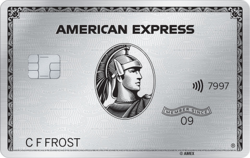
The Platinum Card® from American Express
The Platinum Card® from American Express offers incredible benefits (including up to $1,500 in statement credits each year), but comes with an eye-popping $695 annual fee. Although it’s a great card for the right person, it falls short of our best credit cards for international travel only because Amex isn’t universally accepted in Europe and elsewhere outside of the United States.
All information about The Platinum Card from American Express has been collected independently by MoneyUnder30.com. Content has not been reviewed or approved by the issuer. Earn 80,000 Membership Rewards points after you spend $8,000 on purchases on your new card in your first six months of card membership. Earn 5X Membership Rewards points for every $1 spent on flights booked directly with airlines or through American Express Travel (up to $500,000 spent on these purchases per calendar year); 5X points on prepaid hotels booked on amextravel.com; and one point per $1 spent on eligible purchases elsewhere. $695 World-class luxury travel perks that make the high annual fee well worth it if you can take advantage. Offer details accurate as of 9/6/23The Platinum Card® from American Express
Welcome Offer
Rewards
Annual Fee
Our Thoughts
The Platinum Card® from American Express is a good international travel credit card where it’s accepted, packed with valuable travel protections and money-saving benefits.
What kind of benefits? Well, cardmembers receive over $1,500 worth of statement credits every year that can offset the cost of international travel:
- $300 Equinox credit
- $240 digital entertainment credit
- $200 hotel credit
- $200 Uber cash
- $200 airline fee credit
- $189 CLEAR credit
- $100 Global Entry/TSA Precheck credit (every four years)
- $100 credit with Saks Fifth Avenue
- $155 Walmart+ credit
In addition to these benefits, cardmembers get access to over 1,400 airline lounges worldwide, which can make even your longest layovers much more pleasant. Instead of waiting by a busy gate, you can hang out in a dedicated space with free food and drinks.
The card’s benefits also go beyond flying. Cardmembers receive complimentary Hilton Honors and Marriott Bonvoy Gold elite status. Elevated status can get you perks like bonus points, room upgrades, and even complimentary breakfast.
Aside from the high cost, one significant downside to this card is that American Express cards are less widely accepted than Visa and Mastercard. So the various benefits may not be as useful if your card isn’t accepted. If you’re bringing your Amex Platinum abroad, having a backup card is definitely a good idea.
Chase Sapphire Preferred® Card
The Chase Sapphire Preferred® Card is another excellent choice for international travel credit card. Although lighter on benefits than the Sapphire Reserve card, this card has no foreign transaction fees, international customer service, and an ample travel rewards program.
Chase Sapphire Preferred® Card

Information about the Chase Sapphire Preferred® Card has been collected independently by Money Under 30. Please confirm terms on the card issuer's website. Offer details verified on Aug. 17, 2024.
Welcome Offer
Earn 60,000 bonus points after you spend $4,000 on purchases in the first 3 months from account opening. That's $750 when you redeem through Chase Travel℠.
Rewards
Earn 5X on travel purchased through Chase Travel℠; 3X on dining, select streaming services and online groceries; 2X on all other travel purchases; 1X on all other purchases.
Annual Fee
$95 annual fee.
Our Thoughts
A premium travel rewards credit card with a reasonable annual fee that offers a generous sign-up bonus offer for new cardmembers. The valuable travel benefits, perks and protections make sense for just about any level of traveler, but those who utilize Chase Travel℠ or transfer points to Chase’s travel partners will be able to maximize value.
With the Chase Sapphire Preferred® Card, you’ll enjoy no foreign transaction fee and a great rewards program. Earn:
- 5X points per dollar on travel purchased through Chase Travel℠.
- 3X points per dollar on dining, online grocery purchases, and select streaming services
- 2x points per dollar on other travel purchases
- 1X points per dollar on everything else
Th sign up bonus on this card is a nice 60,000 bonus points after you spend $4,000 on purchases in the first 3 months from account opening. That's $750 when you redeem through Chase Travel℠.
Note that there is a $95 annual fee.
» MORE: Read our Chase Sapphire Preferred® Card review
Capital One Venture Rewards Credit Card
If you’re looking for a credit card for international travel with a lower annual fee, the Capital One Venture Rewards Credit Card is an excellent choice.
Capital One Venture Rewards Credit Card

Information about the Capital One Venture Rewards Credit Card has been collected independently by Money Under 30. Please confirm terms on the card issuer's website. Offer details verified on Apr. 29, 2024.
Welcome Offer
Earn 75,000 bonus miles once you spend $4,000 on purchases within the first 3 months from account opening.
Rewards
Earn unlimited 2 Miles per dollar on every purchase; 5 Miles per dollar on hotels and rental cars booked through Capital One Travel
Annual Fee
$95 annual fee.
Our Thoughts
This is an easy-to-understand popular option that's rightfully among the best travel rewards credit cards. The simple rewards on every purchase, high sign-up bonus for new cardholders, flexible redemption options and cardmember benefits are hard to beat.
- Welcome bonus: Earn 75,000 miles once you spend $4,000 on purchases within 3 months from account opening
- Rewards: 5x miles on hotels and rental cars booked with Capital One Travel; 2x miles on all other purchases
When considering the best credit card for international travel, widespread acceptance is critical. After all, there’s no sense in bringing a card that’s packed with travel perks if you can’t use it!
The 2x-mile base earn rate is also great for maximizing all purchases abroad, while the 5x bonus on hotels and rental car bookings made through Capital One Travel can help you earn more on your travel bookings.
The card’s Global Entry/TSA Precheck credit is unique for a $95 annual fee card and can make your travels abroad more convenient.
Overall, this is an excellent option if you just want a simple rewards credit card with travel bonuses and perks and no foreign transaction fees.
» MORE: Read our Capital One Venture Rewards Credit Card review
How to choose a credit card for international travel
When deciding on a credit card for international travel, there are a few benefits you should look for. The most important one is no foreign transaction fees.
Some credit cards charge fees of up to 3% when you use your card abroad. That’s an extra $30 for every $1,000 in spending. Imagine how much that adds up when you pay for your flights, hotels, meals, and activities! There’s no sense in paying an extra fee to earn credit card rewards.
You also want to look for a card that offers bonus points on travel and some level of travel protection. If you’re spending thousands of dollars on travel, you want peace of mind in case of unexpected travel delays or cancellations. Many travel rewards cards offer trip interruption/cancellation coverage, alongside baggage insurance and emergency evacuation.
Having these benefits will give you comfort when traveling abroad, knowing you’re covered in case things don’t go as planned. And while you can get these benefits from travel insurance, many travel credit cards offer it free of charge.
FAQs
What’s the best credit card for international travel?
The best credit card for traveling abroad depends on your travel needs. But at the very least, your card should offer some travel protections, no foreign transaction fees, and bonus points on travel.
Wide acceptance is also important, so if Amex is your primary card, you should bring a Visa or Mastercard as backup.
Is Visa or Mastercard better for European travel?
Both Visa and Mastercard credit cards are widely accepted in Europe and around the world, so you should’ve have issues whichever you use. If you want to use an American Express card for international travel, we recommend you carry a back-up card that’s either a Visa or Mastercard. And Discover credit cards are not widely accepted outside of the United States.
Are Amex credit cards good for international travel?
American Express markets themselves as an international brand for sophisticated world travelers. Although Amex cards come with some amazing travel benefits, it’s important to note that they are not as widely accepted as Visa and Mastercard credit cards.
When you travel to Europe or Asia or even the Middle East, you can expect major airlines, hotels and some restaurants to accept American Express cards. Don’t be surprised, however, if you can’t use an Amex card for international travel at smaller restaurants, shops or other purchases.
What are the best credit cards for traveling to Europe?
Can I use a US credit card in Europe?
US-issued credit cards that bear either the Visa or Mastercard logo will be just fine to use traveling in Europe and elsewhere abroad. One thing you’ll notice, however, is that in European countries, most merchants expect you to enter a PIN each time you make a credit card purchase (like we do here in America for debit card purchases or ATM transactions). In Europe, they do typically have credit card users sign a receipt.
You may get some confused looks from waiters or others when you use your US credit card in Europe. But, rest assured, they will work just fine.
What are foreign transaction fees?
Foreign transaction fees are charged by banks when you use your card abroad. They range from 3% to 5% in most cases and can quickly add up if you’re paying for all your travel expenses with a card.
Many travel rewards credit cards waive foreign transaction fees completely.
Should I get a credit card to travel internationally?
If you don’t already have a credit card, you should get one before traveling internationally. You’ll need a credit card to check into hotels and book activities online. Not only that, but in some destinations, such as western Europe, many shops and restaurants have turned card-only, especially since the pandemic.
Paying with a credit card also offers a higher level of protection than cash. You can save on foreign transaction fees with select credit cards and get valuable insurance perks to protect your trip.
What kinds of travel credit cards are there?
There are mainly three types of travel credit cards:
- Ones that earn hotel points
- Ones that earn airline miles
- Ones that earn transferable rewards
Hotel credit cards are good for earning free nights and hotel benefits.
Airline cards are ideal for travelers who want to earn more frequent flyer miles and save on checked baggage fees.
Transferable rewards cards like the Chase Sapphire Reserve® and the Capital One Venture Rewards Credit Card are ideal because they provide more flexibility. You can convert your rewards to hotel points, airline miles, or redeem them at a fixed rate on direct bookings.
The bottom line
Credit cards can provide tremendous value when you’re traveling abroad. Whether you’re looking for high-value perks at a premium, or a no-annual-fee card that covers the basics, there are lots of great cards to choose from.
Hopefully, this round-up gives you an idea of the best cards available and which one might be a good fit for your next trip abroad.
