
Warehousing costs can creep up without anyone noticing. And before you know it, the quarterly numbers land, and the margins are thinner than expected. But there’s usually a silver lining behind this: Most warehouse operations have meaningful room to reduce costs without sacrificing throughput or service quality.
Not sure where to start? Here are a few places to look:
1. Optimize Your Layout
A warehouse layout that made sense five years ago might be costing you money today. Product mix changes and order profiles shift. Not to mention the fact that your SKU count is probably growing year over year. The reality is that the physical arrangement of your space doesn’t always keep up with those changes.
The most common layout problem is wasted travel time. Your highest-velocity items need to be positioned in the most accessible locations. Otherwise, your pickers are walking farther than they need to on every order. That extra distance adds up across hundreds or thousands of picks per day. It shows up in things like labor hours and order fulfillment speed.
Conduct a slotting analysis at least annually. Look at your SKU velocity data and make sure your fastest-moving products are in the most ergonomic and accessible positions. (Ideally, this is at waist height in the pick zones closest to packing and shipping.) Slower-moving items can occupy less accessible locations without affecting efficiency.
Aisle width is another area worth looking at more closely. If your aisles are wider than your equipment requires, you’re giving up storage density for space you’re not using. Try narrowing aisles where possible. This either reduces your need for space or increases your storage capacity within the same footprint. Either one is a win!
2. Reduce Energy Costs
Energy is one of the largest controllable expenses in a warehouse. It’s also the one where targeted investments can produce some of the best returns.
Lighting is the obvious starting point. If your facility is still running metal halide or fluorescent fixtures, switching to LED lighting reduces electricity consumption. Additionally, it lowers maintenance costs. (This is because LEDs last dramatically longer.)
However, HVAC and cooling costs are where the bigger savings live. In warehouses with major cooling demands, the type of cooling system you’re running makes a big difference in your operating costs. Water-cooled chillers are worth evaluating if you’re operating a large facility in a warm climate. These systems can reduce electricity consumption by 20 to 37 percent compared to air-cooled systems, depending on the facility size and local climate conditions. The upfront investment is higher, but the long-term operating cost reduction is big. For warehouses running cold storage or climate-controlled zones, the payback period on a water-cooled system is usually shorter than people expect.
3. Audit Your Inventory Practices
As you know, carrying inventory costs money. Every unit sitting on a shelf represents capital that’s tied up rather than working elsewhere. These expenses typically run between 20 and 30 percent of the inventory’s value annually.
The goal isn’t to eliminate inventory. Really, you just want to carry the right amount, as overstocking ties up cash and space. On the flip side, understocking creates stockouts that cost you sales and damage customer relationships. Finding the balance requires accurate demand forecasting.
Dead stock is something that deserves special attention. Products that haven’t moved in 90 or 180 days are consuming space and capital without producing revenue. The best thing you can do is liquidate or return them to the supplier. Freeing up the space and the capital is almost always worth more than holding onto them in the hopes that they get used.
4. Invest in Your Labor Efficiency
Labor is usually the highest cost in a warehouse operation. It’s also the area where efficiency improvements produce the most immediate results. Here are some good investments you can make:
- Try implementing documented standard operating procedures for picking, packing, receiving, and putaway. This kind of consistency raises the floor on performance across the team.
- Batch picking, wave planning, and zone picking strategies can reduce the labor hours required to fill the same number of orders. The right strategy depends on your order profile. A facility shipping many small orders benefits from batch picking, where a single picker collects items for multiple orders in one pass.
- Technology investments at the individual worker level also make a difference. Things like barcode scanners and voice-directed picking all reduce errors and increase pick rates compared to paper-based processes. The error reduction alone often justifies the investment.
Finding Your Profit
Warehousing profitability lives in the details. The operations that consistently produce strong margins are the ones that examine every cost category regularly and make data-driven decisions about where to invest and where to cut. If you can master these areas, you’ll get the results you need.
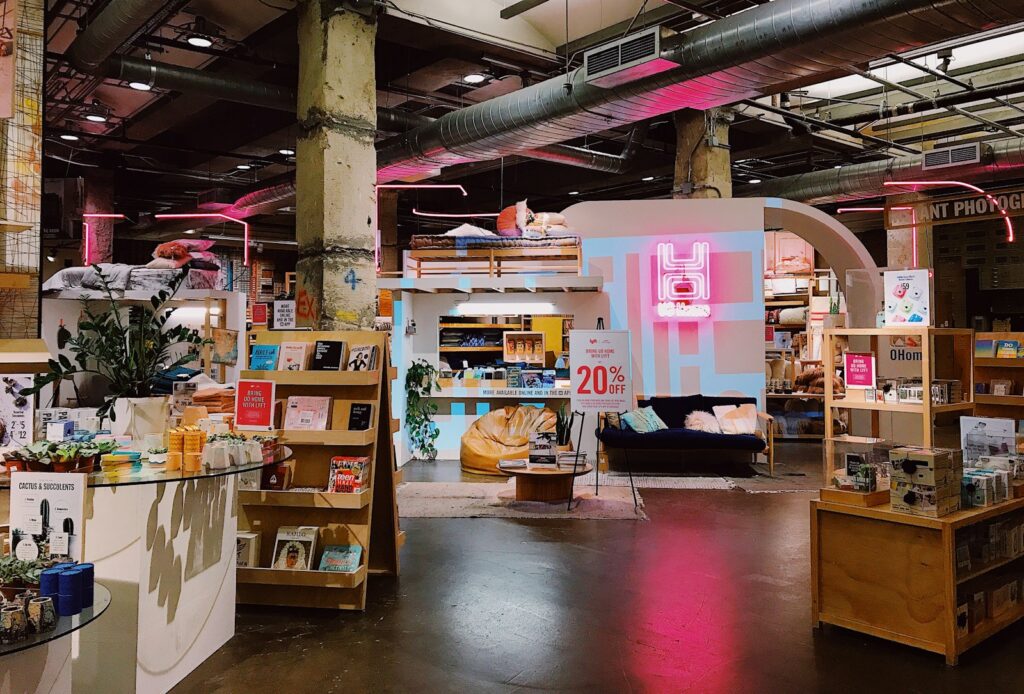
Photo by Ioana Cristiana: Unsplash
More For You
- 7 Smart Money Moves to Make Before You Turn 30
- Federal student loan forgiveness and cancellation guide
- How to Read “Market Sentiment” Data to Time Your Next Investment
- How much does a 1% difference in mortgage rate matter?
- How to make money online: 20 ideas for online income
- Why you should (almost) always pay yourself first
- Airbnb Alternatives: How Other Short-Term Rental Sites Compare
- 7 financial benefits of marriage (and 4 possible drawbacks)