
The 50/30/20 budgeting method
The 50/30/20 says to spend 50% of your income on needs, 30% on wants, and 20% on savings. Calculate your 50/30/20 budget below.

The 50/30/20 says to spend 50% of your income on needs, 30% on wants, and 20% on savings. Calculate your 50/30/20 budget below.

Learn why we recommend trying to save at least 20% of your income every month.

Debit cards have daily spending limits and ATM withdrawal limits that vary by bank and account. Find yours and how to increase your debit card limits.
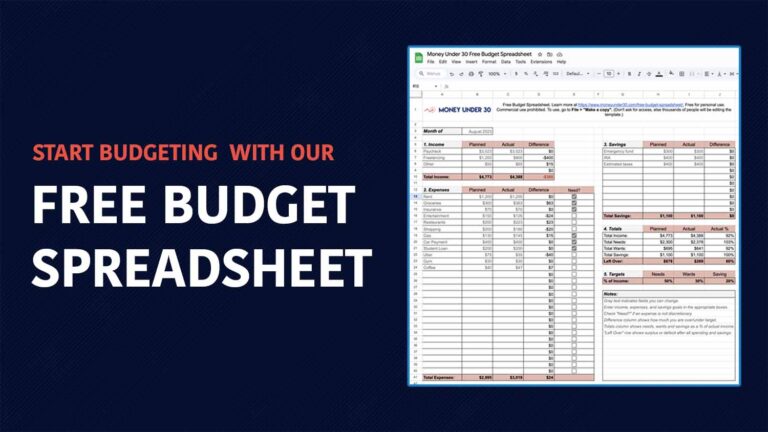
Download our free monthly budget template for Google Sheets or Excel.
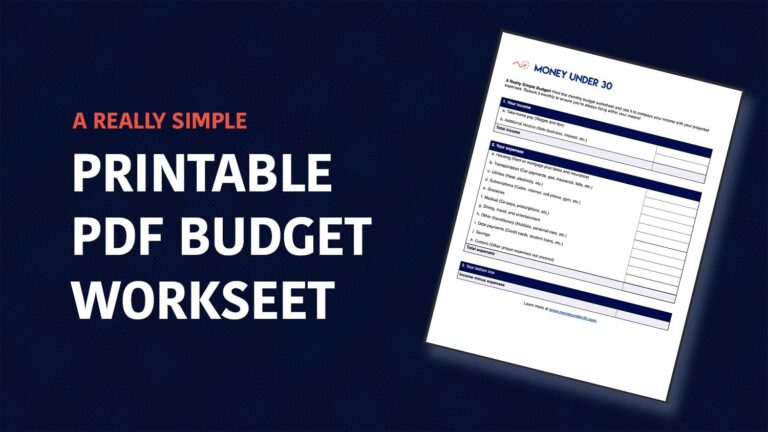

Our free net worth spreadsheet can help you track your net worth and get your financial goals in order.

Before you purchase life insurance, here’s what you need to know, including what policies are available, how premiums are calculated, how claims work, and where to shop for life insurance policies.

Using multiple bank accounts for budgeting takes practice, but it’s well worth learning how to do it. With the right accounts, you’ll have an easier time managing your cash flow and keeping your spending in check while maximizing the benefits
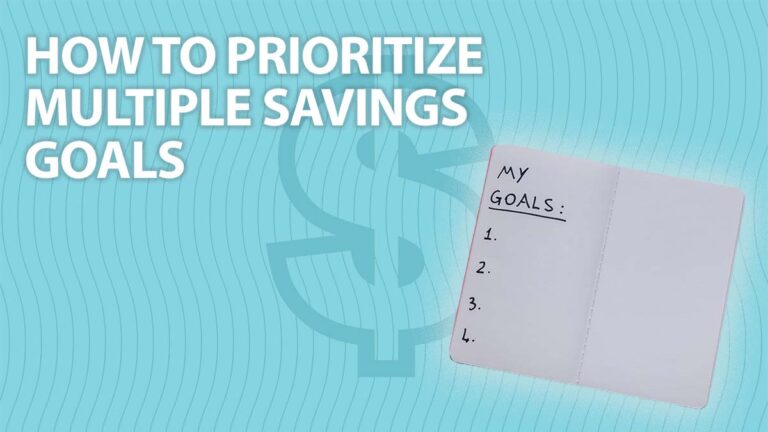
You’re dreaming of your own home, paying down student loans and want an emergency fund. But, how can you possibly save for multiple goals at once? Here’s how.

A simple roadmap for building wealth and security on any income.

A premium is what you pay to maintain coverage; deductible is the amount you pay for treatment before the insurance company covers remaining expenses; copay is for routine medical services; and out-of-pocket maximum limits the total amount you pay each

Take the $5 you would normally spend every day on coffee or other small expenses and invest it early on to see how it can grow over time using our calculator.