Should you move back home? The pros and cons of living with your parents again
Moving home isn’t fun for most, so should you do it? If you’re looking to save money, it’s one of the more effective saving methods…if you do it right.

Moving home isn’t fun for most, so should you do it? If you’re looking to save money, it’s one of the more effective saving methods…if you do it right.
Whether you’re trying to conserve a cash cushion or buying in a fast rising market, there are times when it does make sense to put less than 20% down on a house.
Apartment finder websites can take the toil out of looking for a property by allowing you to search and compare tour listings — all in a one-stop shop.
Renting provides flexibility and you don’t have to keep up the property yourself. Homeownership, on the other hand, comes with a ton of surprising costs.
When it comes to buying your first home, you should always try to buy less house than you can afford. Chances are, you don’t need as much space as you think you do. Here’s my experience.
Did you swear you were going to move to Canada if the presidential election didn’t go quite the way you wanted it to? Well here’s how—but you might be surprised how much it really costs.
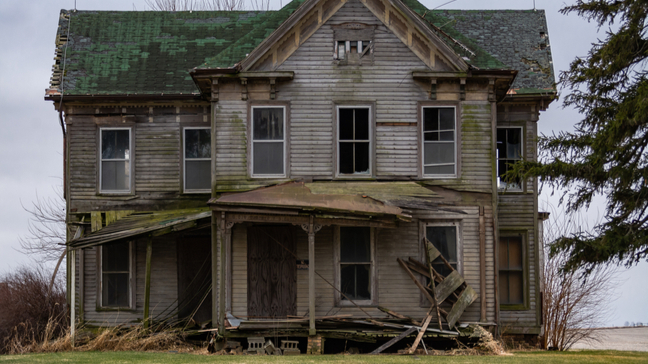
Houses have long been thought of as an investment due to their value appreciation but investments are sold for a profit. Here’s the truth on your home.
Should you get a starter house right now — or should you wait until you can afford your “forever house”? Here are the pros and cons of each choice.
Paying off your mortgage early can mean saving thousands on interest and having the peace of mind that you own your home. But if you’re not planning to stay in this house long-term, or if extra mortgage payments will leave
Saving for retirement is important, but so is saving enough for a house downpayment. So which should you do first? We have the answer.
There are all sorts of fun and interesting ways to save money. I’ll break down the costs – and savings – of this quirky money-saving method.
If you want to sell your house without an agent, you’ll need to know exactly what you’re doing in order to get the money you deserve. Here are 5 steps to sell your home on your own.